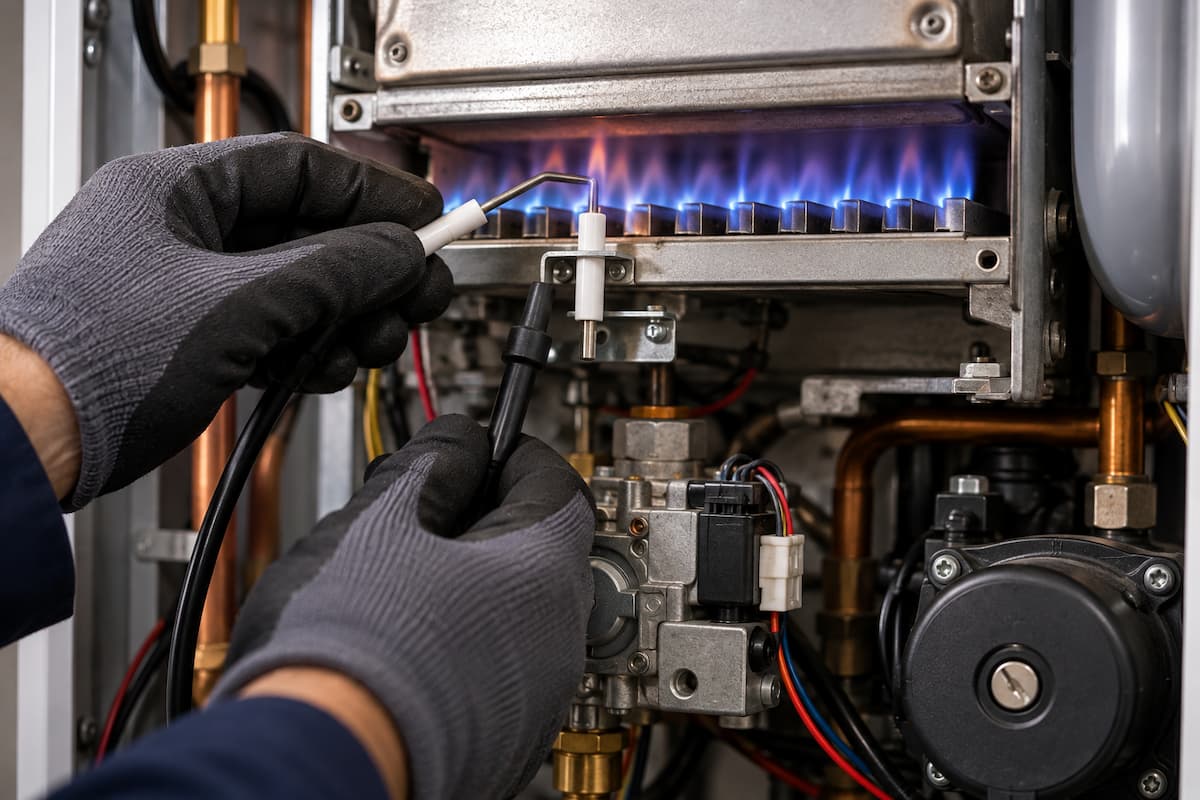
Gas Safety Regulation 26 is one of the most critical provisions within UK gas safety law. It directly governs the condition and use of gas appliances and flues and places a clear legal duty on gas engineers to prevent danger. Unlike administrative regulations, Regulation 26 applies on site and in real time, influencing the decisions engineers make every day.
For engineers, Regulation 26 is not optional guidance. It is enforceable law that applies whenever gas appliances or flues are installed, serviced, repaired or assessed. A strong understanding of this regulation supports safe working practices, protects the public and safeguards professional standing.
Legal Position Of Regulation 26
Regulation 26 forms part of the Gas Safety Installation and Use Regulations and carries full legal authority. It is enforced by the Health and Safety Executive and supported by the L56 Approved Code of Practice.
The regulation places responsibility on those carrying out gas work to ensure appliances and flues are maintained in a safe condition. Importantly, this duty exists regardless of whether the engineer originally installed the appliance. If an unsafe condition is identified, action must be taken to prevent danger.
Gas Appliance Safety
A gas appliance is considered safe only when it operates correctly and does not pose a risk to people or property. Safety under Regulation 26 goes beyond whether an appliance fires or heats water.
Engineers must consider combustion quality, flue performance, ventilation provision and the condition of safety controls. An appliance producing carbon monoxide, spilling combustion products or operating with damaged components cannot be classed as safe, even if it appears to function normally.
Regulation 26 requires engineers to assess safety as they find it and to act accordingly.
Responsibilities Under Regulation 26
Regulation 26 places a duty on gas engineers to ensure that the appliances they work on are safe when they leave the site. This responsibility applies during installation, servicing, maintenance and repair.
During installation, engineers must ensure appliances are suitable for the location, correctly commissioned and supported by appropriate flueing and ventilation. During servicing, engineers must verify continued safe operation and identify developing faults. During repair work, engineers must ensure that safety-related defects are fully resolved before appliances are returned to use.
Engineers cannot pass responsibility to previous installers, landlords or occupants.
Appliance Condition and Continued Use
One of the most challenging aspects of Regulation 26 is deciding whether an appliance can remain in use. Engineers must make professional judgements based on safety, not convenience.
If an appliance cannot be confirmed as safe, it must not be left operational. This includes situations where faults are borderline or where safety cannot be verified due to missing components or poor access. Regulation 26 does not allow appliances to remain connected solely because they were used previously without incident.
Flues and Regulation 26 Requirements
Flues form a critical part of appliance safety and fall directly under Regulation 26. An appliance cannot be considered safe if the flue is defective.
Engineers must check that flues are correctly installed, continuous, adequately supported, and capable of safely removing combustion products. This includes inspection of joints, terminals and routes. Issues such as damaged liners, poor terminations, or signs of spillage must be addressed.
Responsibility applies even where flue defects result from building alterations, such as extensions or replacement windows. If the flue is unsafe, the appliance must not remain in use.
Ventilation and Combustion
Adequate air supply is essential for safe combustion. Regulation 26 requires engineers to ensure appliances receive sufficient combustion air and that permanent ventilation is provided where needed.
Engineers must consider changes to properties that may affect ventilation, such as sealed rooms, blocked vents, or modern building improvements. An appliance that once operated safely may become unsafe if ventilation is reduced.
Where ventilation is inadequate, the appliance must not be left in service until corrective action is taken.
Action Required When Appliances are Unsafe
When an unsafe condition is identified, Regulation 26 places a legal duty on engineers to prevent danger. This duty overrides customer preference and commercial pressure.
Engineers must make the situation safe where reasonably practicable. This may involve isolating the appliance, disconnecting it from the gas supply or issuing clear warnings. Unsafe appliances must not be left operational under any circumstances.
Failure to act exposes engineers to enforcement action and significant professional risk.
Unsafe Situations Procedures
Recognised industry unsafe situations procedures provide a structured framework for classifying and managing risk. These procedures support consistent decision-making and help engineers meet their legal obligations under Regulation 26.
Although these procedures are not laws themselves, correct application demonstrates a responsible and defensible approach. Engineers are expected to understand risk categories and apply appropriate actions based on severity.
Communication
Clear communication is a vital part of compliance with Regulation 26. Engineers must explain safety concerns in plain language and ensure responsible persons understand the risks involved.
Where customers refuse remedial work or disconnection, engineers must clearly record this refusal and ensure that appliances are appropriately labelled. Good communication protects both occupants and engineers and helps prevent disputes later.
Documentation
Accurate documentation is essential to demonstrate compliance with Regulation 26. Engineers should record appliance condition, test results, actions taken and advice given.
Documentation provides vital evidence if employers review work, the Gas Safe Register or the Health and Safety Executive. Poor or missing records can undermine otherwise correct decisions and expose engineers to avoidable risk.
Regulation 26 Mistakes
Common mistakes include assuming responsibility lies with previous installers, allowing marginally unsafe appliances to remain in use, or failing to record actions properly.
Another frequent issue is relying on customer assurances rather than objective assessment. Regulation 26 requires engineers to rely on professional judgement and evidence, not opinion.
Regulation 26 in ACS Assessments
Regulation 26 is a key focus area within ACS assessments and reassessments. Candidates are routinely tested on appliance safety, flueing, ventilation and appropriate responses to unsafe situations.
Assessors expect engineers to demonstrate practical understanding rather than rote knowledge. Strong familiarity with Regulation 26 improves assessment confidence and real world decision making.
Regulation 26 Quick Reference
| Section | Summary Points |
|---|---|
| Regulation 26 Key Points |
|
| Engineer Actions On Site |
|
| Professional Protection |
|
Gas Training Courses at Staffordshire Training Services
Staffordshire Training Services provides accredited gas training that supports engineers in meeting their legal and professional responsibilities. Courses cover ACS initial assessment, reassessment and specialist gas qualifications.
Training is delivered by experienced instructors with strong industry backgrounds, focusing on the practical application of regulations such as Regulation 26. This ensures engineers leave training confident in both compliance and decision-making.
Regulation 26 and Professional Accountability
Regulation 26 reflects the high level of responsibility placed on gas engineers to protect life and property. It requires consistent application of technical knowledge, sound judgement and clear communication.
Engineers who understand and apply Regulation 26 effectively are better prepared for assessments, inspections and real-world challenges. Strong regulatory knowledge supports safer work, professional credibility and long-term career success.
Related Articles
- Gas Safety (Installation and Use) Regulations For Engineers
- Guide to ACS Renewal and Reassessment
- A Guide To Domestic Gas ACS Reassessment
- Boiler Sizing Under Part L for Domestic Installations
- L56 Approved Code Of Practice For Gas Engineers
Prefer an AI Summary?