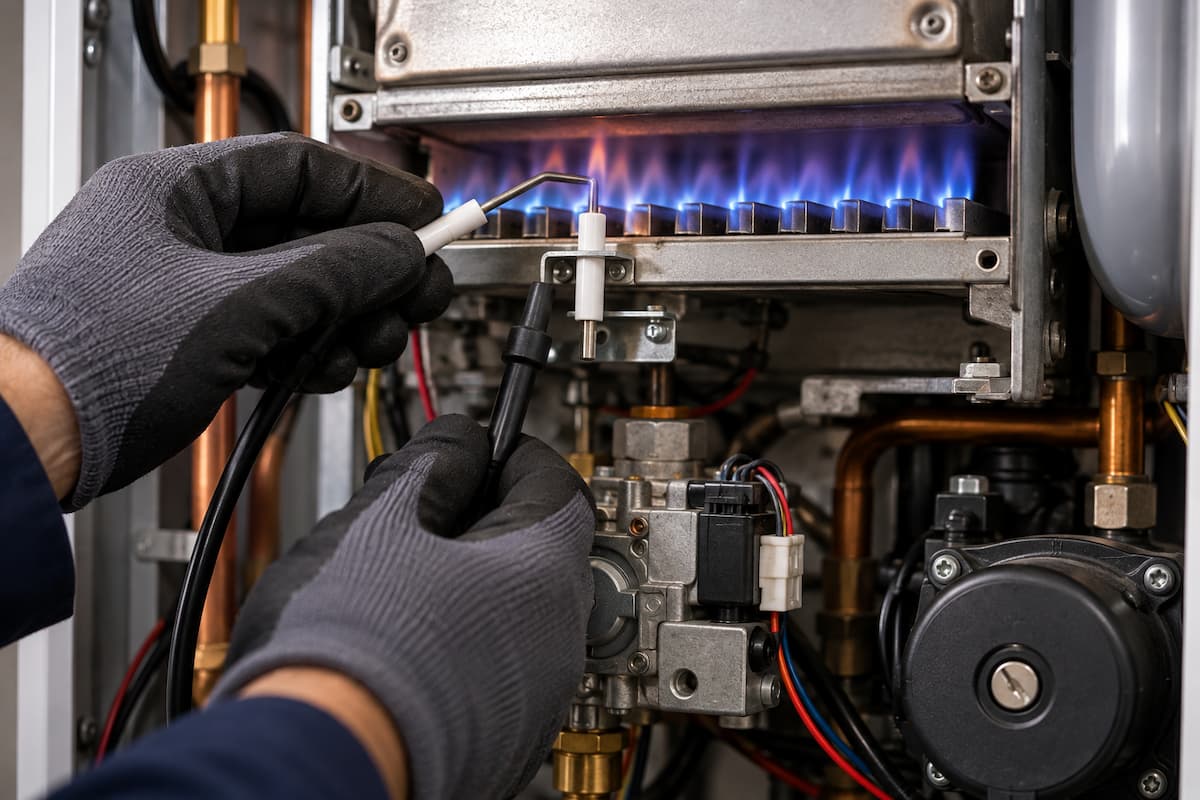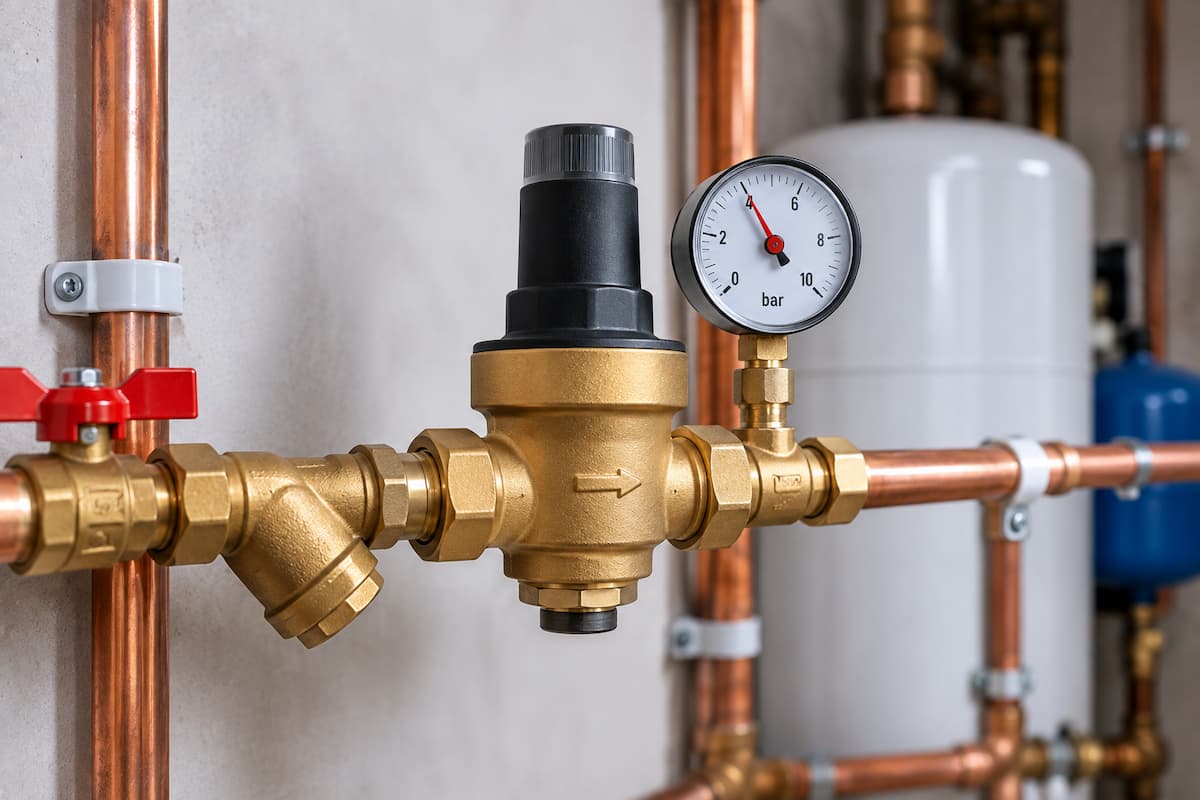
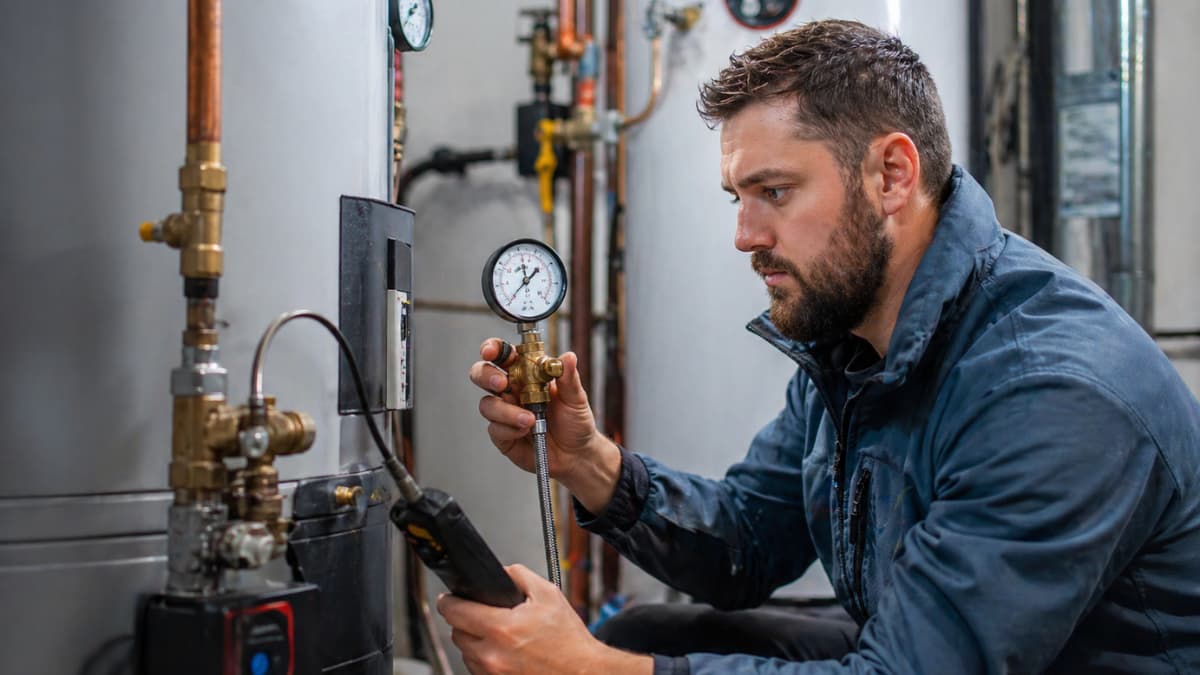
Tightness testing is one of the most important safety procedures carried out by gas engineers. It confirms that a gas installation is sound and that gas is not escaping from pipework, fittings or associated components.
For engineers, tightness testing is more than a routine step. It is a critical safeguard that helps prevent gas escapes, fire, explosion and harm to occupants. It also supports legal compliance, ACS performance and professional protection.
A sound installation is essential before appliances are commissioned, serviced or returned to use.
Legal Duties and Gas Soundness
Gas engineers have a legal duty to ensure that gas installations are safe. Tightness testing supports this duty by confirming that the installation is free from leaks before gas is used or reintroduced.
Tightness testing helps engineers to:
- verify installation integrity
- identify gas escapes before appliances are used
- support safe commissioning
- protect occupants and property
- provide evidence of safe working practice
Failure to confirm gas soundness can lead to unsafe situations, customer risk and potential enforcement action.
When Tightness Testing Is Required
Tightness testing may be required at several points during gas work.
Engineers should carry out a tightness test:
- before commissioning a new installation
- after installing or altering pipework
- after work, that may affect gas tightness
- when a gas escape is suspected
- after repair work on gas pipework or fittings
- before returning an installation to service, where soundness must be confirmed
The principle is that gas should not be left available to an installation unless the engineer is satisfied it is sound and safe.
Principles of Tightness Testing
The purpose of a tightness test is to confirm that the installation can hold pressure without loss. This involves applying pressure, allowing the system to stabilise and monitoring for pressure movement over the correct period.
A tightness test usually involves:
- isolating the installation
- setting up suitable test equipment
- applying the correct test pressure
- allowing stabilisation
- monitoring for pressure drop
- interpreting the result against current standards
- investigating any loss of pressure
A stable pressure reading indicates soundness. A pressure drop must be investigated before the installation is considered safe.
Let By Testing and Appliance Isolation
Let by testing is a vital part of safe gas work. It checks whether gas is passing through a valve or control that should be closed.
This matters because a tightness test may identify pressure movement, but the engineer still needs to understand the cause. Gas may be passing through a control valve or appliance component when it should not.
A let by test helps identify:
- passing emergency control valves
- appliance isolation issues
- internal valve faults
- gas passing through a closed control
Engineers should never assume a valve is sealing correctly simply because it appears closed. Where let by is suspected, further investigation is required before the installation is returned to service.
Acceptable Pressure Drop and Interpretation
Tightness testing must be interpreted in accordance with current standards and the correct procedure for the installation type. Engineers should not rely on memory, guesswork or informal rules.
Important points include:
- acceptable limits depend on the installation and test method
- borderline readings should not be ignored
- any unexpected pressure movement requires investigation
- test results must be interpreted carefully before gas is restored
Interpretation is as important as carrying out the test. A test that is performed correctly but misunderstood can still leave risk behind.
Temperature and Stabilisation Effects
Pressure readings can be affected by temperature changes and poor stabilisation. This is a frequent source of confusion during testing and assessment.
If pressure is not allowed to stabilise, an engineer may record a false pressure drop or miss a developing issue. Temperature changes in pipework, meters or the surrounding air can also influence readings.
Good practice includes:
- allowing adequate stabilisation time
- avoiding rushed readings
- considering temperature effects
- repeating checks where results appear unusual
- using equipment correctly and consistently
A methodical approach reduces the risk of false results.
Meter Type and Installation Differences
Different installation arrangements can affect how a tightness test is set up and interpreted. Engineers may encounter varying meter types, regulators, pipework layouts and appliance configurations.
Before testing, engineers should understand:
- the meter arrangement
- isolation points
- connected appliances
- pipework layout
- whether sections can be isolated
- any features that may affect pressure readings
A domestic installation may appear straightforward, but assumptions can lead to mistakes. Understanding the installation before testing improves accuracy and safety.
Standing Pressure and Working Pressure
Tightness testing is one part of a wider pressure checking process.
Engineers should understand the difference between:
- Standing pressure, which is measured when no gas appliances are operating
- Working pressure, which is measured when appliances are operating under load
- Tightness testing, which confirms the installation is sound and free from leaks
These checks provide different information. A sound installation still needs the correct working pressure. Likewise, correct working pressure does not prove the installation is sound.
Together, these checks help build a complete picture of safety and performance.
Tightness Testing Procedure Overview
A structured procedure improves consistency and reduces risk.
Preparation
Before testing, the engineer should:
- confirm appliances are turned off
- identify isolation points
- inspect visible pipework and fittings
- prepare suitable test equipment
- check equipment condition
- understand the installation layout
Testing
During the test, the engineer should:
- apply the correct test pressure
- allow the system to stabilise
- monitor pressure for the required period
- avoid disturbing the installation during the test
- watch for pressure drop or unusual behaviour
After Testing
After the test, the engineer should:
- interpret results correctly
- investigate any pressure loss
- repair identified faults
- retest after remedial work
- record results clearly
- confirm the installation is safe before returning to use
Tightness Testing Procedure Table
| Stage | Engineer Action | Technical Focus | Risk If Missed |
|---|---|---|---|
| 1. Visual Assessment | Check visible pipework, fittings, appliance connections and meter area before testing. | Identify obvious defects, damage, open ends or poor workmanship. | Visible faults may be missed, and the test may be set up incorrectly. |
| 2. Appliance Isolation | Confirm appliances and relevant valves are correctly isolated for the test. | Ensure the test covers the intended section of installation. | Incorrect isolation can give misleading results. |
| 3. Let By Check | Check that gas is not passing through a valve or control that should be closed. | Confirm valves and controls are sealing properly. | Passing valves can distort readings and create unsafe conditions. |
| 4. Test Equipment Setup | Connect suitable test equipment securely and check that it is functioning correctly. | Use accurate equipment appropriate for the installation. | Faulty or poorly connected equipment can cause false readings. |
| 5. Pressurisation | Apply the correct test pressure in line with current standards and procedure. | Use the correct pressure for the installation type. | Incorrect pressure can invalidate the test. |
| 6. Stabilisation | Allow pressure to settle before the test period begins. | Account for temperature and pressure stabilisation effects. | Rushed testing can create false failures or hide faults. |
| 7. Test Period | Monitor pressure over the required period without disturbing the system. | Look for pressure drop, movement or abnormal behaviour. | Leaks may be missed if the test is shortened or rushed. |
| 8. Result Interpretation | Interpret the result against current standards and installation conditions. | Decide whether the installation is sound or requires investigation. | Incorrect interpretation can leave an unsafe installation in service. |
| 9. Fault Investigation | If pressure loss is found, isolate sections and locate the fault systematically. | Check joints, valves, appliance connections, meter connections and pipework. | The source of leakage may remain unresolved. |
| 10. Retest After Repair | Retest after remedial work to confirm soundness. | Prove that the fault has been corrected before restoring gas. | Repair work may be assumed successful without evidence. |
| 11. Documentation | Record test pressure, test duration, result, faults found and actions taken. | Create clear evidence of safe working practice. | Poor records weaken professional protection. |
Understanding Test Results
A successful tightness test indicates that the installation is sound under the test conditions. A failed test indicates pressure loss and must be treated seriously.
A failed result may be caused by:
- leaking joints
- passing valves
- damaged pipework
- poor soldering
- appliance connection faults
- meter connection issues
- incorrect test setup
Engineers must not ignore small pressure drops or assume the installation is safe. Any unexplained loss must be investigated.
Failed Test Workflow
When a tightness test fails, engineers should follow a clear process.
A practical workflow is:
- confirm the test setup is correct
- repeat the test if there is doubt about the equipment or stabilisation
- check for let by
- isolate sections where possible
- retest individual sections
- inspect joints, valves and fittings
- locate the source of pressure loss
- repair or make safe
- retest to confirm soundness
- record the outcome
This step by step approach helps engineers stay calm, consistent, and accurate under pressure.
Investigating Pressure Loss
Pressure loss should be investigated systematically. Random checking can waste time and increase the chance of missing the actual fault.
Common fault sources include:
- loose compression joints
- damaged pipework
- poor soldered joints
- passing appliance isolation valves
- poor meter connections
- damaged flexible connections
- disturbed pipework after building work
- capped pipework that has not been sealed correctly
The engineer aims to locate the exact fault, correct it and prove the installation is sound before leaving the site.
Gas Soundness and Appliance Safety
Gas soundness directly affects appliance safety. Even where an appliance is correctly installed and operating properly, the installation cannot be considered safe if the supply pipework is leaking.
Engineers must consider:
- pipework condition
- joints and fittings
- appliance isolation valves
- meter connections
- previous alterations
- signs of physical damage or corrosion
Soundness testing is therefore part of a wider safety assessment, not a separate administrative task.
Relationship With Unsafe Situations
A failed tightness test may create or reveal an unsafe situation. The engineer must assess the level of risk and take appropriate action.
If there is evidence of gas escaping, the engineer must act to prevent danger. The installation must not be left in use until it has been made safe.
This links directly to:
- unsafe situation classification
- Regulation 26 duties
- customer communication
- documentation
- professional responsibility
A technical test result can quickly become a legal duty to act.
Recording Tightness Test Results
Accurate records are essential. They show that the engineer followed a proper process and acted on the findings.
Records should include:
- test pressure
- test duration
- result
- any pressure drop
- suspected or confirmed fault source
- remedial action taken
- retest result
- appliance or installation status on departure
Clear records protect both the engineer and the customer.
Errors In Tightness Testing
Errors in tightness testing can result in unsafe installations being left in service.
Frequent issues include:
- rushing stabilisation
- misreading equipment
- failing to check for let by
- ignoring small pressure drops
- not isolating sections properly
- assuming the previous installation was sound
- failing to retest after repair
- poor documentation
These mistakes are avoidable with a methodical approach.
Tightness Testing In ACS Assessment
Tightness testing is a key area within ACS assessment and reassessment. Candidates are expected to show competence, not just familiarity.
Assessors may look for:
- correct preparation
- safe test setup
- understanding of let by
- accurate interpretation
- correct action following failed results
- clear explanation of procedure
- suitable documentation
Candidates often lose marks by rushing, failing to explain their reasoning or not linking the test result to safety.
Avoiding Issues Through Good Practice
Good practice helps engineers carry out soundness checks confidently and consistently.
Engineers should:
- follow current standards
- use suitable equipment
- allow stabilisation
- check for let by
- investigate pressure loss fully
- retest after remedial work
- record everything clearly
- keep knowledge up to date
Good testing habits reduce risk, improve performance and support professional credibility.
Tightness Testing Checklist
| Check | Description | Complete |
|---|---|---|
| Installation Review | Visible pipework, fittings, meter area and appliance connections checked. | ☐ |
| Isolation | Appliances and relevant valves correctly isolated for the test. | ☐ |
| Let By | Let by check completed where required. | ☐ |
| Equipment | Suitable test equipment connected securely and checked. | ☐ |
| Stabilisation | Pressure allowed to stabilise before test period begins. | ☐ |
| Monitoring | Pressure monitored correctly for the required test period. | ☐ |
| Interpretation | Result interpreted using current standards and correct procedure. | ☐ |
| Investigation | Any pressure drop investigated before installation is returned to use. | ☐ |
| Retest | Installation retested after any repair or remedial work. | ☐ |
| Records | Test result, action taken and installation status recorded clearly. | ☐ |
Gas Training In The West Midlands
Engineers across Staffordshire and the wider West Midlands can develop their practical testing skills and regulatory knowledge through training at Staffordshire Training Services.
Our gas training courses supports ACS assessment, reassessment, and day-to-day competence, helping engineers build confidence in core procedures such as tightness testing, pressure checks, handling unsafe situations, and documentation.
Safe Gas Work Through Accurate Testing
Tightness testing is a core part of safe gas engineering. It confirms the installation’s soundness, supports legal compliance, and protects occupants from the risks associated with gas escapes.
By understanding let by, stabilisation, pressure interpretation, and failed-test workflows, engineers can carry out testing with greater confidence and accuracy.
Strong knowledge of soundness supports safer installations, stronger ACS performance, and higher professional standards.
Related Articles
- Update To Tightness Testing Standards
- Unsafe Situations and Gas Engineer Legal Duties
- Gas Safety (Installation and Use) Regulation Failures Found During ACS
- Gas Tightness Testing Fault-Finding Techniques
- Enforcement Penalties and Legal Consequences For Gas Engineers
Prefer an AI Summary?