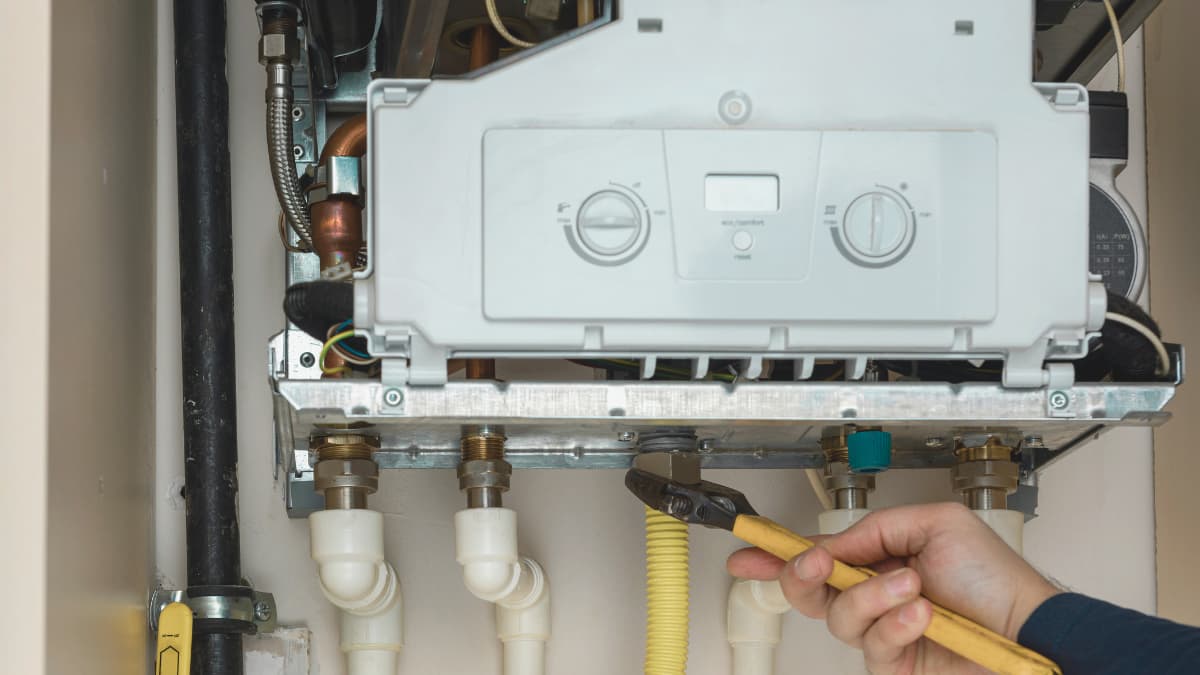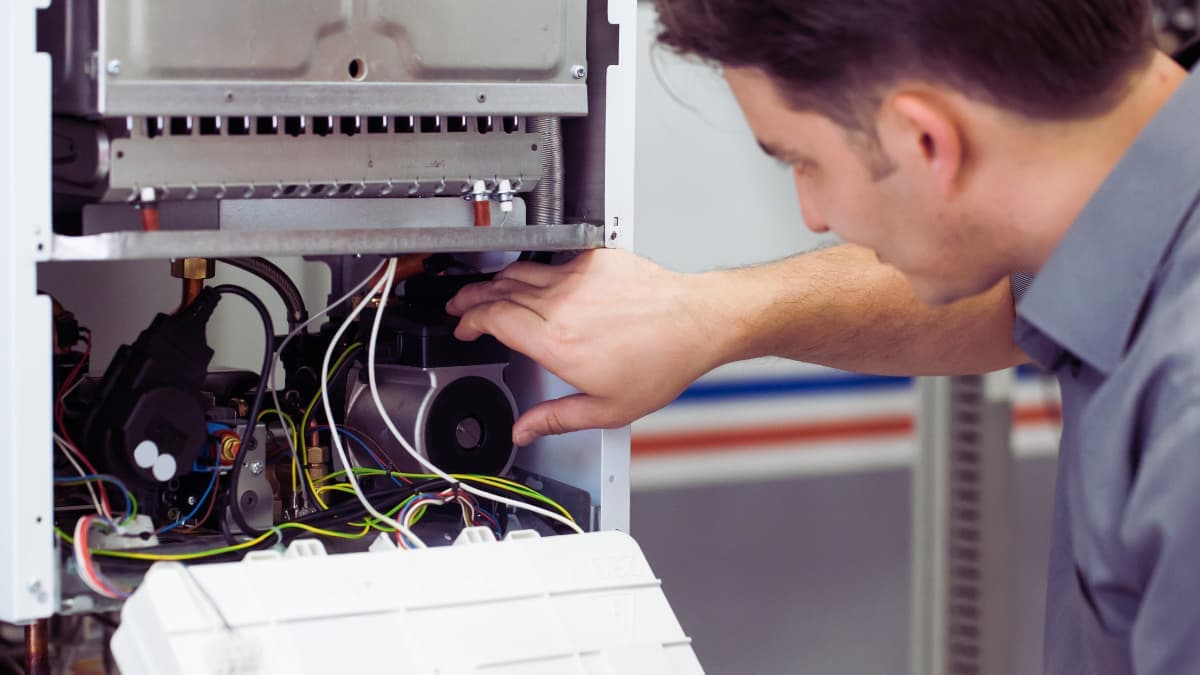
The Gas Safety Installation and Use Regulations form the legal backbone of gas safety in the United Kingdom. For engineers working with natural gas or LPG, these regulations set out the minimum standards that must be met to protect people, property and the wider public. They apply to everyday tasks carried out by gas engineers, from installing new appliances to servicing existing systems and responding to unsafe situations.
For engineers at any stage of their career, a strong understanding of these regulations is essential. They underpin professional competence, inform day-to-day decision-making on site, and form the foundation of ACS assessments and Gas Safe registration.
Gas Safety Installation and Use Regulations
The regulations apply to most gas work carried out in domestic and certain commercial premises across Great Britain. They cover both natural gas and liquefied petroleum gas, ensuring consistent safety standards across fuel types.
Work activities within scope include installation, maintenance, servicing, repair, alteration and disconnection of gas appliances and pipework. The regulations also extend to flues, ventilation systems and associated safety devices. Engineers must be aware that responsibility applies not only when installing new equipment but also when working on existing installations that may already pose risks.
Legal Status and Enforcement Framework
The Gas Safety Installation and Use Regulations are made under the Health and Safety at Work Act and have full legal force. Compliance is not optional, and failure to meet regulatory requirements can result in enforcement action.
The Health and Safety Executive acts as the enforcing authority. In support of the regulations, Approved Codes of Practice and official guidance provide practical direction on achieving compliance. While guidance documents are not law, they are widely used to demonstrate that reasonable steps have been taken to meet legal duties.
Competence and Gas Safe Registration
Only competent persons are legally permitted to carry out gas work. In practice, competence is demonstrated by registration with the Gas Safe Register and holding the appropriate qualifications for the work being undertaken.
Engineers must work strictly within the scope of their registration. Holding core qualifications alone does not permit work on all appliance types or systems. Maintaining competence also requires regular reassessment, typically every five years, to ensure engineers remain up to date with current regulations, standards and industry practice.
Duties Placed On Gas Engineers
Gas engineers have a clear legal duty to ensure that all work is carried out safely. This duty applies whether the engineer is self-employed or working under an employer.
During installation, engineers must ensure that appliances and pipework are correctly sized, securely fitted and suitable for their intended location. When servicing or repairing appliances, engineers are responsible for checking safe operation, combustion performance and the condition of safety devices. Any work that could affect gas safety must be completed to a standard that prevents danger to users or occupants.
Standards Of Workmanship and Industry Compliance
The regulations require gas work to be carried out in accordance with recognised standards. This includes following relevant British Standards, manufacturer instructions and industry best practice.
Materials and fittings must be suitable for use with gas and installed correctly. Testing procedures, such as tightness testing and combustion analysis, must be performed accurately and interpreted correctly. Poor workmanship, even when unintentional, can place engineers at risk of enforcement action and damage professional credibility.
Appliance Safety and Safe Operation
Ensuring appliance safety is a core requirement of the regulations. Appliances must be suitable for the supplied gas type, correctly adjusted, and capable of operating safely under normal conditions.
Engineers are responsible for checking gas pressures, burner performance and safety controls. Appliances must not be left in a condition that could lead to incomplete combustion, product spillage, or excessive carbon monoxide production. Any defects affecting safe operation must be addressed before appliances are returned to service.
Flues, Ventilation and Combustion Air
Correct flueing and ventilation are essential to safe gas operation and are strongly emphasised within the regulations. Engineers must ensure that flues are correctly designed, positioned, and terminated to allow safe removal of combustion products.
Permanent ventilation must be provided where required to support safe combustion and prevent spillage. Engineers should be alert to common issues such as blocked vents, poorly located terminals, or alterations to the property that affect the air supply. Failure to address flue or ventilation defects can have serious consequences.
Tightness Testing and Gas Soundness
Gas pipework must be tested for soundness whenever systems are installed, altered, or reintroduced to gas service. Tightness testing confirms that pipework is free from leaks and suitable for safe operation.
Purging procedures must be carried out carefully to prevent the release of unburned gas into occupied spaces. Test results should be accurately recorded and interpreted, with any failures investigated and rectified before gas is turned on. These procedures are fundamental to compliance and safety.
Unsafe Situations and Engineer Responsibilities
When unsafe situations are identified, engineers have a legal duty to act. Situations are typically classified according to recognised industry procedures, with appropriate actions taken based on the level of risk.
Engineers must make situations safe where reasonably practicable, which may include disconnecting appliances or isolating supplies. Clear communication with customers or responsible parties is essential, including an explanation of the risks and the actions taken. Labelling and documentation are crucial parts of managing unsafe situations correctly.
Landlord Gas Safety Responsibilities
The regulations place specific duties on landlords to ensure gas appliances and flues are maintained in a safe condition. Gas engineers play a central role in ensuring compliance by conducting safety checks and issuing gas safety records.
Engineers must ensure checks are completed thoroughly and records are issued accurately. These records provide legal protection for landlords and engineers alike, and errors or omissions can have serious consequences if incidents occur.
Documentation and Record Keeping
Accurate documentation is a key aspect of regulatory compliance. Engineers are expected to maintain records of work carried out, including safety checks, test results and remedial actions.
Correct documentation supports professional accountability and can provide vital evidence during inspections or investigations. Engineers should ensure records are completed clearly, stored securely and issued in accordance with legal requirements.
Enforcement Penalties and Legal Consequences
Failure to comply with the Gas Safety Installation and Use Regulations can result in enforcement action by the Health and Safety Executive. This may include improvement notices, prohibition notices or prosecution.
Penalties can range from fines to imprisonment in serious cases. Engineers may also face removal from the Gas Safe Register, which effectively prevents them from undertaking further legal gas work. Maintaining compliance protects not only safety but also long-term career prospects.
Relationship With ACS Assessments
The regulations underpin ACS assessments and reassessments. Knowledge of legal duties, unsafe situations, flueing and ventilation is routinely tested during assessments.
Engineers preparing for ACS assessments benefit from a thorough understanding of how the regulations apply in real working environments. Regular training helps reinforce this knowledge and ensures continued competence.
Keeping Knowledge Current In a Changing Industry
Gas safety regulations and supporting standards are periodically updated to reflect changes in technology and industry practice. Engineers must take responsibility for keeping their knowledge current through continuing professional development.
Regular refresher training and reassessment help engineers stay compliant and confident. This ongoing learning supports safer work and strengthens professional standing.
Gas Training Courses at Staffordshire Training Services
Staffordshire Training Services delivers accredited gas training designed to support engineers at every stage of their career. Gas training courses cover initial ACS assessments, reassessment pathways and specialist appliance qualifications.
Training is delivered by experienced industry professionals in a fully equipped environment, with a strong focus on real-world application and regulatory understanding. This approach helps engineers build both competence and confidence when working with the Gas Safety Installation and Use Regulations.
Considerations for Working Engineers
The Gas Safety Installation and Use Regulations define the professional responsibilities of gas engineers across the United Kingdom. Compliance is not merely a legal requirement but a reflection of professional standards and a commitment to safety.
Engineers who invest time in understanding and applying these regulations position themselves to work safely, confidently, and successfully throughout their careers.
Related Articles
- Guide to ACS Renewal and Reassessment
- A Guide To Domestic Gas ACS Reassessment
- Gas Safety Regulation 26 for Engineers
- L56 Approved Code Of Practice For Gas Engineers
- From MLP To Gas Safe Engineer In 12 Months
Prefer an AI Summary?