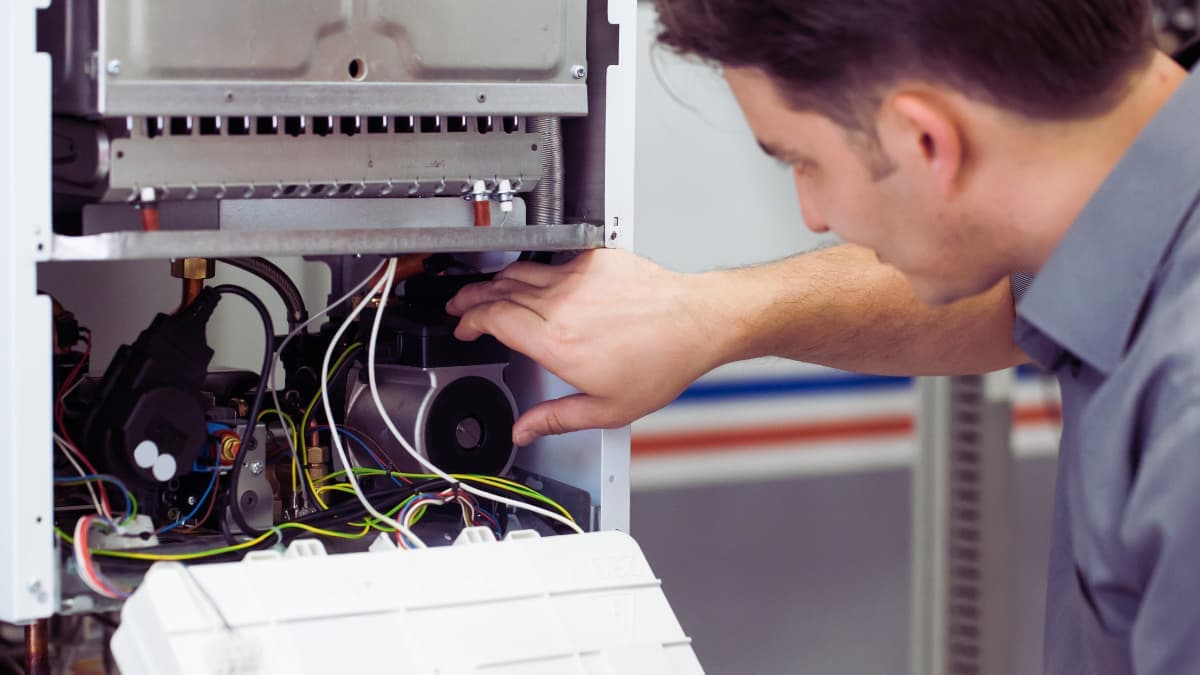
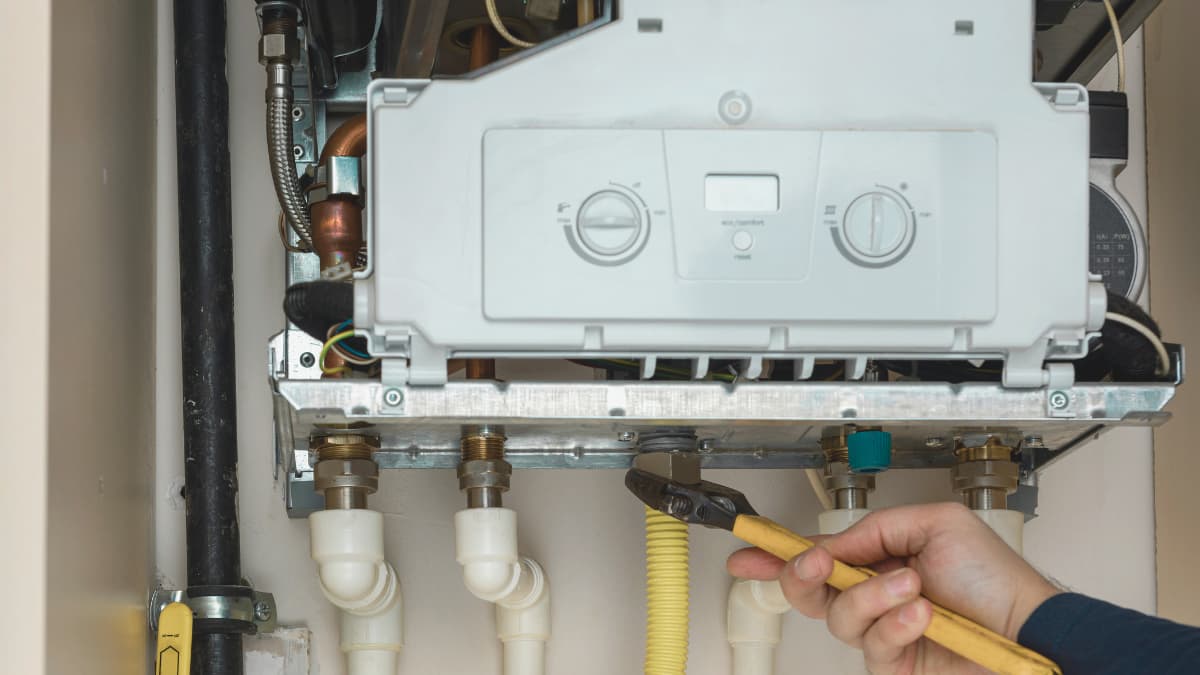
Unsafe situations are unavoidable in gas engineering. Whether performing routine service, responding to a breakdown, or installing a new appliance, engineers regularly encounter installations that pose risks.
Recognising and managing unsafe situations is not simply good practice. It is a legal duty under the Gas Safety Installation and Use Regulations. Engineers must be able to distinguish between inconvenience, poor workmanship and genuine danger. The decisions made in these moments protect occupants, safeguard property and define professional credibility.
Legal Framework Governing Unsafe Situations
A combination of legislation and accepted industry practice governs unsafe situations.
- Gas Safety Installation and Use Regulations
The regulations place a duty on engineers to prevent danger. Regulation 26 requires appliances and flues to be maintained in a safe condition and not used if they present a risk. If an engineer identifies danger, action must be taken. Responsibility applies regardless of who originally installed it.
- L56 Approved Code Of Practice
L56 supports the regulations by explaining accepted routes to compliance. It clarifies expectations regarding competence, appliance condition, flue performance, and safety. While not law itself, following L56 can be used as evidence that an engineer has acted in accordance with legal duties.
- Industry Unsafe Situations Procedure
The industry’s unsafe situations procedure provides a structured method for classifying risk. It promotes industry-wide consistency and supports engineers in making defensible decisions. While the procedure itself is guidance, it reflects the legal requirement to prevent danger.
Definition Of An Unsafe Gas Situation
An unsafe situation exists when a gas installation, appliance, or associated component poses a risk of injury, fire, explosion, or exposure to combustion products.
It is important to understand the difference between non-compliant and dangerous. An installation may not meet current standards, yet still operate safely. Conversely, an installation that appears functional may present immediate danger.
Professional judgement must be based on evidence, observation and risk assessment, not assumption or customer reassurance.
Classification Of Unsafe Situations
Unsafe situations are commonly grouped into three categories.
Immediately Dangerous
This classification applies where there is a clear and present danger to life or property.
Typical examples include:
- Active gas escape
- Severe spillage of combustion products
- Flue disconnection within occupied space
- Appliance operation creating an immediate carbon monoxide risk
In these cases, engineers must act immediately to remove the danger.
At Risk
This applies when a fault could become dangerous if the appliance continues to operate.
Examples include:
- Inadequate ventilation for the appliance type
- Flue faults that may lead to future spillage
- Safety devices impaired but not yet causing immediate harm
- Appliance instability that could deteriorate
The appliance should not be used until the fault is rectified.
Not To Current Standards
This category applies when an installation does not meet modern standards but poses no danger.
Examples include:
- Older installation methods that were compliant at the time of installation
- Absence of certain modern improvements where no safety risk exists
This classification does not require isolation, but advice should be given.
Unsafe Situations Quick Reference Table
| Risk Category | Typical Indicators | Engineer Action | Documentation And Communication |
|---|---|---|---|
| Immediately Dangerous | Gas escape, severe spillage, major flue failure, unsafe combustion. | Isolate or disconnect immediately. Do not leave the appliance operational. | Explain risk clearly. Record findings, actions taken and any refusal. |
| At Risk | Fault likely to become dangerous if appliance continues in use. | Advise appliance should not be used until rectified. Isolate where required. | Provide written advice and record recommendations and customer response. |
| Not To Current Standards | Does not meet modern standards, but no immediate danger. | No isolation required purely on this basis. | Advise improvement and record recommendation. |
| Legal Principle | If danger is present, the engineer must act to prevent it regardless of previous work history. | ||
Engineer Legal Duties When Danger Is Identified
When danger is present, engineers must take action to prevent harm. This may include isolating the appliance, disconnecting the gas supply or making it safe where reasonably practicable.
Customer preference does not override legal duty. Engineers must not leave an appliance in operation if it presents danger. Failure to act may result in enforcement action and professional consequences.
Responsibility applies even if the engineer did not install the appliance. The duty arises at the point the unsafe condition is identified.
Managing Customer Refusal
Customer refusal can place engineers under pressure. However, legal duties remain unchanged.
Communication
Engineers should:
- Explain the nature of the risk in clear language
- Avoid technical jargon
- Remain calm and factual
Refusal Handling
If a customer refuses disconnection:
- Apply appropriate warning labels
- Record refusal clearly
- Document appliance status on departure
- Note the advice given
Accurate, objective documentation is essential.
Flues Ventilation and Combustion Related Unsafe Conditions
Flues and ventilation are frequent sources of unsafe conditions.
Flue Issues
- Disconnected or poorly supported joints
- Corrosion or structural damage
- Incorrect terminal positioning
- Evidence of spillage
Ventilation Issues
- Blocked permanent vents
- Property alterations reducing air supply
- Extractor fans affecting combustion air
Property changes often create hidden risks. Kitchen refurbishments, sealed windows and loft alterations can all impact safe operation.
Documentation and Record Keeping Expectations
Good documentation supports compliance and protects engineers.
Records should include:
- Classification category
- Observed defects
- Actions taken
- Advice given
- Customer response
Clear factual notes are preferable to opinion. For example:
“Spillage observed during test. Appliance classified Immediately Dangerous. Appliance isolated. Customer informed of risk and advised not to reconnect.”
Such records demonstrate responsible professional conduct.
Errors Engineers Make
Mistakes in unsafe situations often arise from external pressure or uncertainty.
Common errors include:
- Downgrading classification to avoid conflict
- Leaving appliances operational with verbal advice only
- Failing to document refusal clearly
- Confusing inconvenience with danger
- Assuming responsibility lies with a previous installer
Consistency and confidence in classification reduce these risks.
Unsafe Situations Assessed in ACS
Unsafe situations are a frequent focus during ACS assessment and reassessment.
Assessors may test:
- Risk classification accuracy
- Appropriate action selection
- Understanding of legal duties
- Documentation expectations
Scenario-based questions are common. Engineers should be able to explain both the classification and the reasoning behind their actions.
Enforcement and Professional Consequences
The Health and Safety Executive may investigate incidents involving gas work. L56 and the regulations form the framework for assessing compliance.
Failure to prevent danger can result in:
- Improvement or prohibition notices
- Removal from Gas Safe registration
- Prosecution in serious cases
Consistent application of accepted procedures and thorough documentation provides professional protection.
Gas Training In The West Midlands
Engineers across Staffordshire and the wider West Midlands can strengthen their regulatory knowledge through structured training at Staffordshire Training Services.
Courses support ACS initial assessment and reassessment, with a focus on real-world unsafe situations, legal duties and professional decision-making. Training delivered by experienced industry instructors helps engineers apply regulations confidently and consistently.
Preventing Danger Through Professional Judgement
Managing unsafe situations requires technical knowledge, legal understanding and confident professional judgement. Engineers must assess risk objectively, act decisively when danger is present, and document decisions clearly.
By applying structured classification, maintaining strong communication, and keeping accurate records, gas engineers protect occupants, safeguard their professional standing, and uphold industry standards.
Related Articles
- Gas Safety (Installation and Use) Regulations For Engineers
- Gas Safety Regulation 26 for Engineers
- Building Regulations Part L for Gas Engineers
- Boiler Sizing Under Part L for Domestic Installations
- L56 Approved Code Of Practice For Gas Engineers
Prefer an AI Summary?