The UK heating industry is moving in a clear direction. Homes still rely heavily on gas boilers, but renewable heating is growing as households seek lower operating costs, improved efficiency, and reduced carbon emissions. For engineers, this creates a strong opportunity. You can build a reliable career in gas work while developing renewable skills that broaden the roles you can take on.
At Staffordshire Training Services, we support both new entrants and experienced tradespeople with accredited training across gas and renewable technologies. The goal is simple: practical training that builds absolute confidence, so you can work safely, competently, and with the skills customers increasingly expect.
Skills Customers Want From Modern Engineers
Customers want more than a quick fix. They want clear advice, tidy workmanship, and someone who can explain options in plain English. As heating options expand, many homeowners are unsure which option is right for their property. Engineers who understand both traditional and low-carbon systems are well placed to guide them.
This often means being able to:
- Diagnose problems efficiently and explain the cause without jargon
- Recommend improvements that match the home, the budget, and the customer’s priorities
- Install and commission systems correctly so performance matches expectations
- Set controls properly and show the customer how to use the system confidently
It is not only about fitting equipment. It is about providing a complete service that reduces callbacks and builds trust.
Gas Engineering Skills That Stay In Demand
Gas engineering remains a key part of the UK heating picture. Millions of properties use gas for heating and hot water, and that infrastructure requires skilled engineers for servicing, repair, and replacement.
A solid gas skillset typically covers:
- Safe installation of gas appliances and pipework
- Routine servicing to maintain performance and safety
- Fault-finding and repair work under real-time pressure
- Tightness testing and soundness checks
- Flue and ventilation awareness, including safe siting and compliance requirements
- Professional handover so the customer understands safe operation
For anyone entering the trade, gas training offers a clear path to stable employment. For experienced engineers, keeping skills current supports long-term employability and reputation.
Renewable Heating Skills That Expand Your Work Options
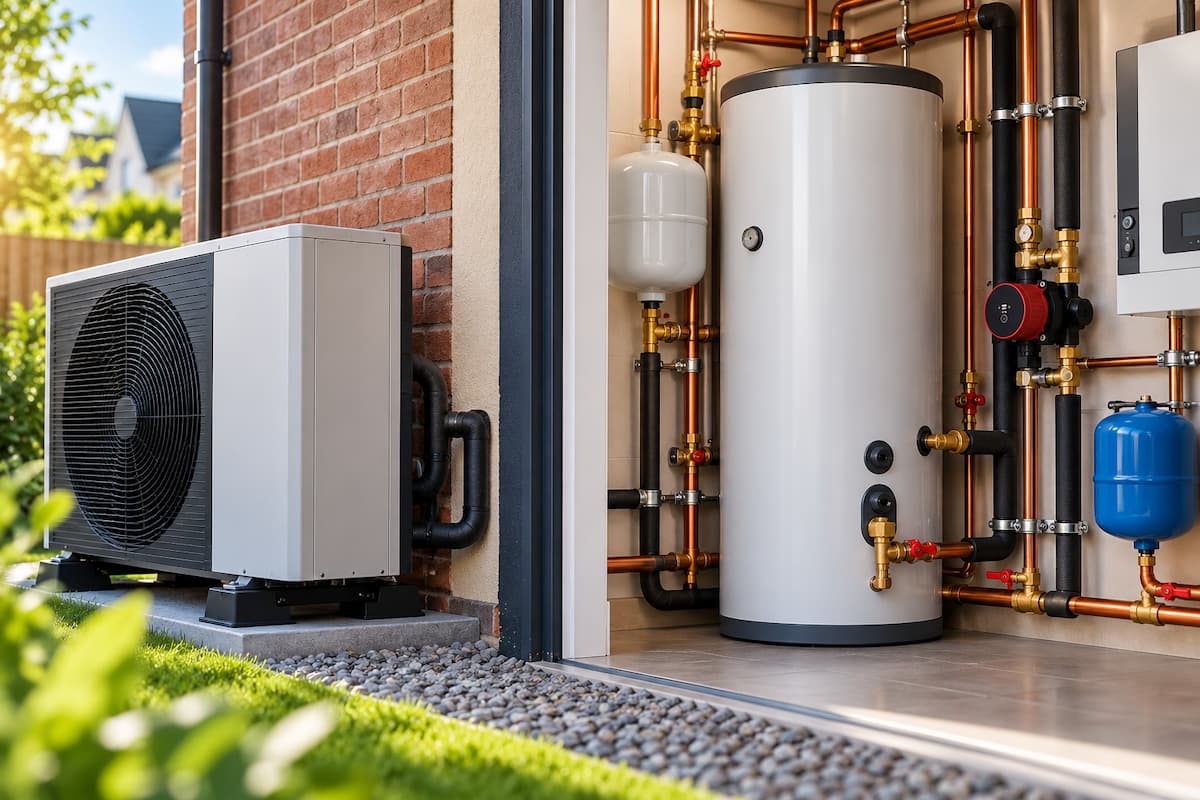
Renewable heating is no longer a niche area. More homeowners are inquiring about heat pumps, solar thermal, and energy-efficiency upgrades. Installers who can meet that demand can unlock new revenue streams and attract customers seeking future-ready solutions.
Renewable work brings a slightly different focus. It rewards engineers who are confident with commissioning, system performance, and the customer experience after installation. In practice, that means:
- Understanding heat loss and system sizing principles
- Knowing how emitter choices affect comfort and efficiency
- Balancing and commissioning so the system runs as intended
- Explaining running costs and realistic expectations clearly
- Working neatly with existing heating layouts and hot water systems
Renewable skills can sit alongside your existing work. Many engineers begin by upskilling to take on more varied jobs, rather than switching careers entirely.
The Advantage Of Combining Gas And Renewables
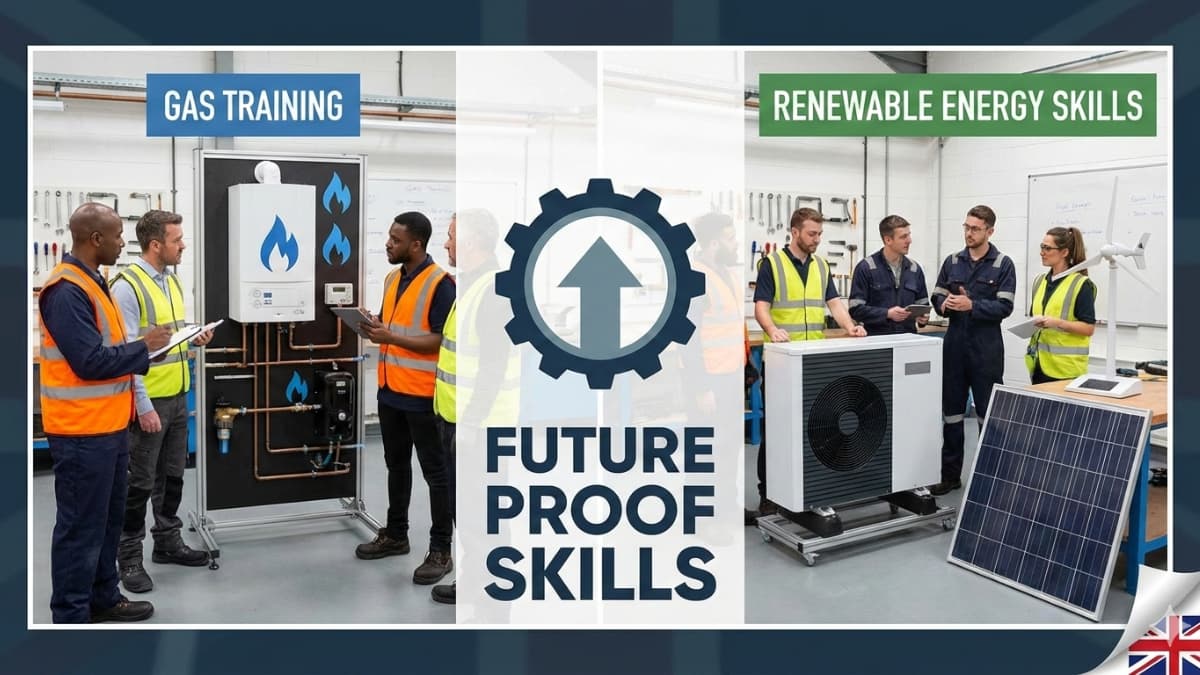
One of the most significant advantages in today’s market is versatility. Engineers who offer both gas and renewable options can support customers at every stage of their heating journey.
This is valuable because real homes rarely fit a one-size approach. Some properties are now ready for a heat pump. Others may benefit from staged improvements first, such as enhanced controls, upgraded emitters, or changes to the hot water system. Some customers want a traditional replacement boiler today but plan to move to renewables later.
When you can work across both areas, you can:
- Offer practical advice without bias
- Recommend upgrades that improve efficiency straight away
- Provide ongoing servicing and maintenance work alongside new installations
- Build repeat business by supporting customers through gradual improvements
This is also a strong business position. Customers prefer a single trusted engineer to multiple contractors, mainly when changes affect heating, hot water, and controls simultaneously.
Training Routes For New Entrants And Existing Engineers
The right training pathway depends on where you are starting.
If you are new to the trade, your focus is on building strong fundamentals, practical competence, and industry readiness. Gas training provides a structured route, with hands-on learning that prepares you for real work and assessment expectations.
If you are already in the trade, upskilling into renewables can be the next step. Many qualified gas engineers add renewable training to broaden the work they can offer and to stay competitive as customer demand evolves.
At Staffordshire Training Services, training is built around practical learning in a professional environment, supported by qualified instructors who understand what the job looks like on-site.
Qualifications And Course Options At Staffordshire Training Services
Future-proof skills usually come from a well-planned mix of training. Rather than trying to do everything at once, many engineers build their portfolio in stages.
Common training routes include:
- Gas training programmes for those working towards competence and recognised outcomes
- Air source heat pump training for engineers moving into low-carbon heating systems
- Solar thermal training for those adding renewable hot water options
- Unvented hot water training to strengthen capability with modern pressurised hot water systems
Choosing the right combination helps you cover the full spectrum of heating. It also improves the quality of your work, because you understand how the system performs as a whole, not just the appliance.
Tools, Standards, and Safety Focus
Whether you work on gas or renewables, safety and standards sit at the centre of professional practice. Customers may notice the finish of a job, but the real quality lies in the checks you run and the decisions you make before you pick up the tools.
Training should reinforce habits that protect you, the customer, and the property, including:
- Correct testing procedures and careful record keeping
- Safe isolation and methodical fault finding
- Commissioning checks that confirm performance, not assumptions
- Clear communication about safe operation and ongoing maintenance
Good training builds confidence by teaching you to work systematically rather than just following steps.
Career Opportunities With Future Proof Skills
A combined skill set can support a wide range of career paths. You might work for a local company, join a larger contractor, or build your own customer base over time. As retrofit and energy improvement projects expand, engineers with expertise in both gas and renewable technologies are well-positioned for steady work.
This versatility can lead to opportunities such as:
- Domestic installation and service work with broader offerings
- Renewable installation roles with commissioning responsibility
- Heating upgrade projects that include controls, hot water, and system improvements
- Supervisory roles where broad knowledge supports decision-making and quality control
- Longer-term progression into training and assessment for those who enjoy developing others
Building Confidence Through Training
Confidence does not come from reading about systems. It comes from working with equipment, practising techniques, and being guided by instructors who understand the trade’s standards and expectations.
Quality training focuses on:
- Realistic workshop scenarios that reflect what you will face on site
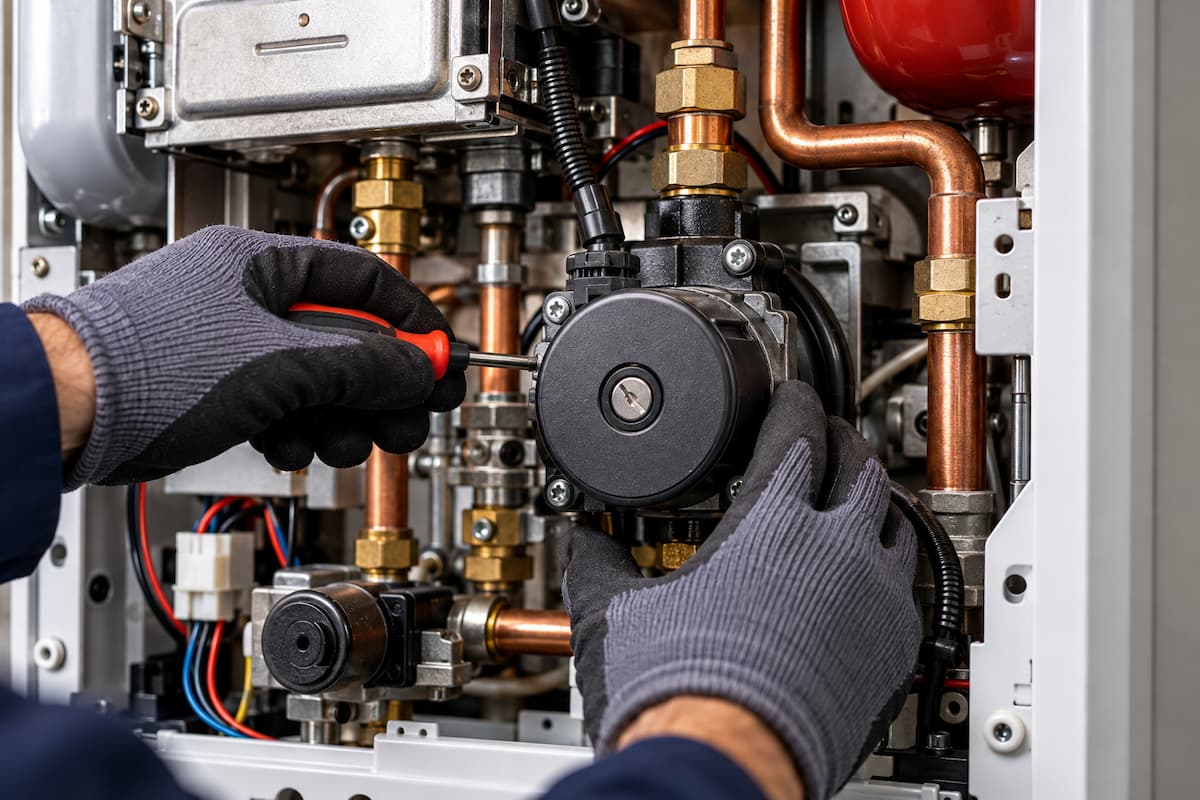
- Commissioning and fault-finding practice, not just installation basics
- Feedback that helps you improve quickly and avoid common mistakes
- Building the professional judgement that separates competent engineers from truly confident ones
That confidence matters when you are in a customer’s home, diagnosing a fault, or commissioning a new system that needs to perform well from day one.
Gas and Renewable Training In Staffordshire
Gas engineering remains a strong career, and renewable heating is adding fresh momentum across the sector. The smartest move for many engineers is not choosing one or the other. It is building capability across both, so you can offer the right solution for each property and stay relevant as the market changes.
Staffordshire Training Services provides accredited, practical training in a purpose-built centre in Stafford, with experienced instructors focused on helping you develop real competence. If you are starting, progressing, or widening your services, the proper training can help you build future-proof skills that keep your career moving forward.
Related Articles
- The Future of Heating with Renewables
- From MLP To Gas Safe Engineer In 12 Months
- Combine F-Gas and Heat Pump Training for More Opportunities
- Advantages of Training in Both Heat Pump Technologies
- Careers in Renewable Energy for Gas and Heating Engineers
Prefer an AI Summary?