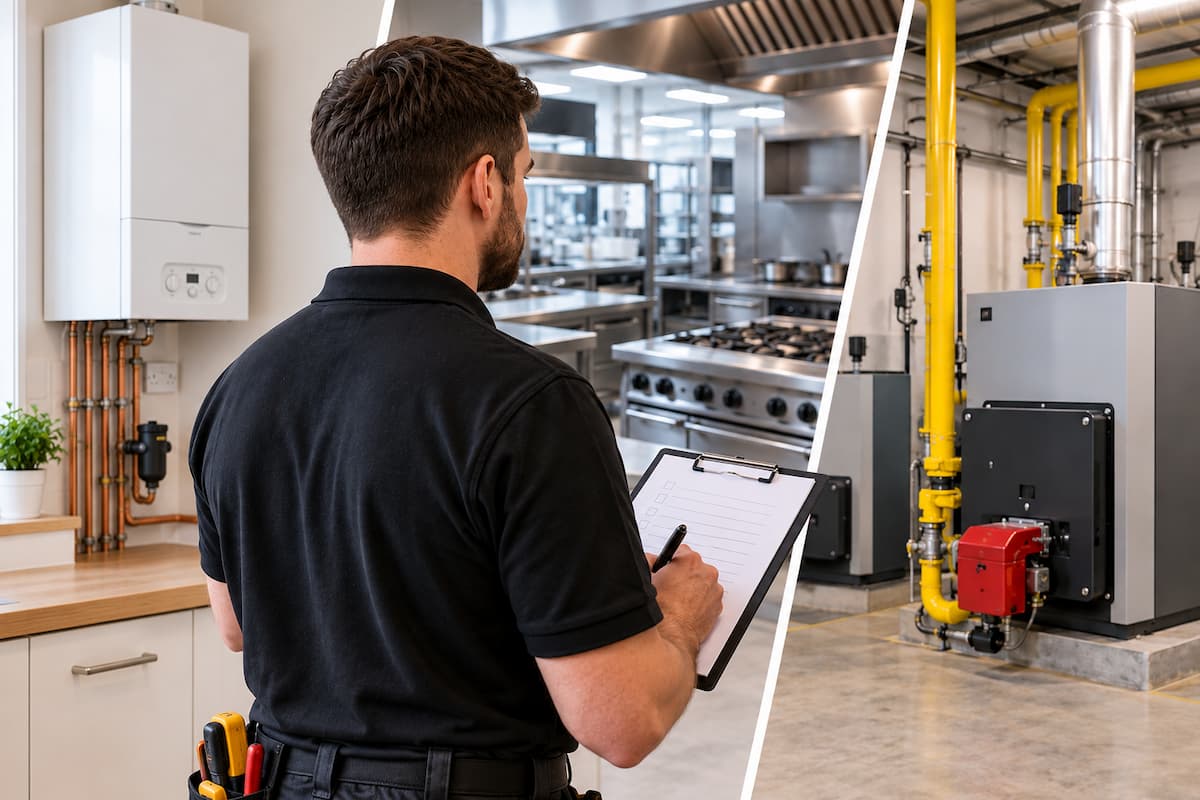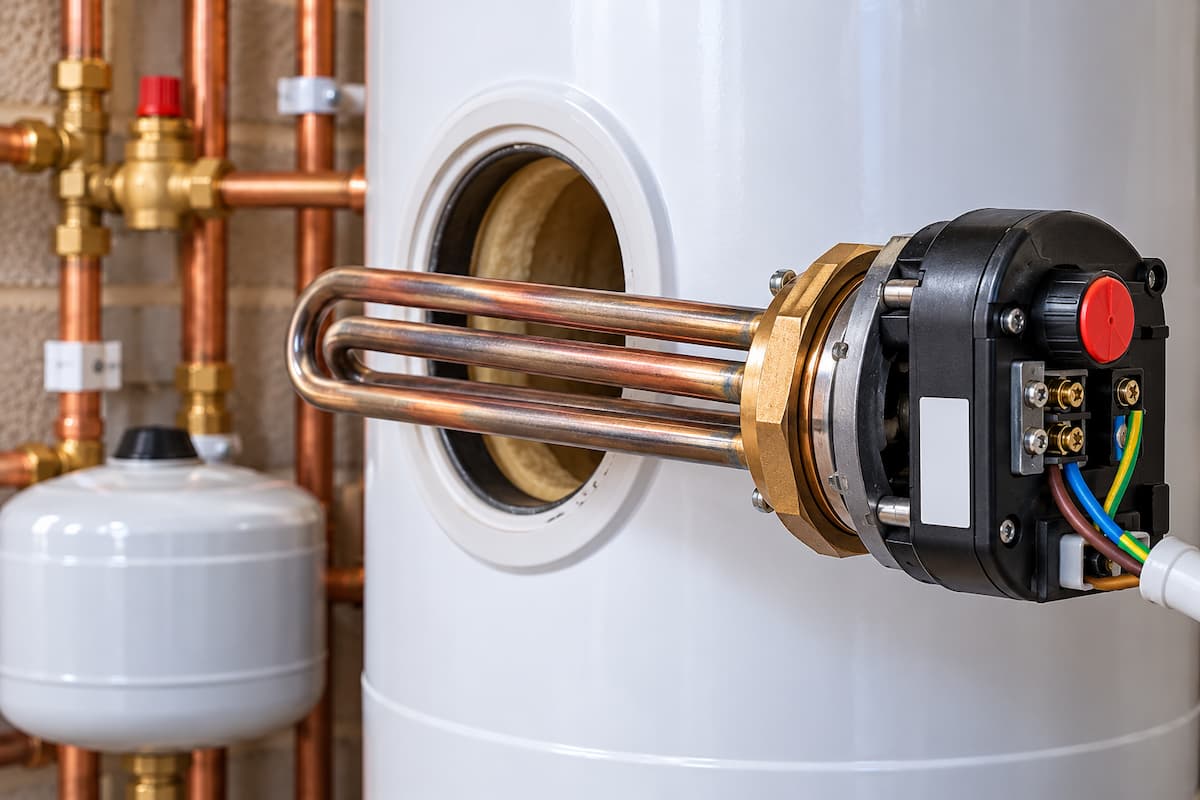
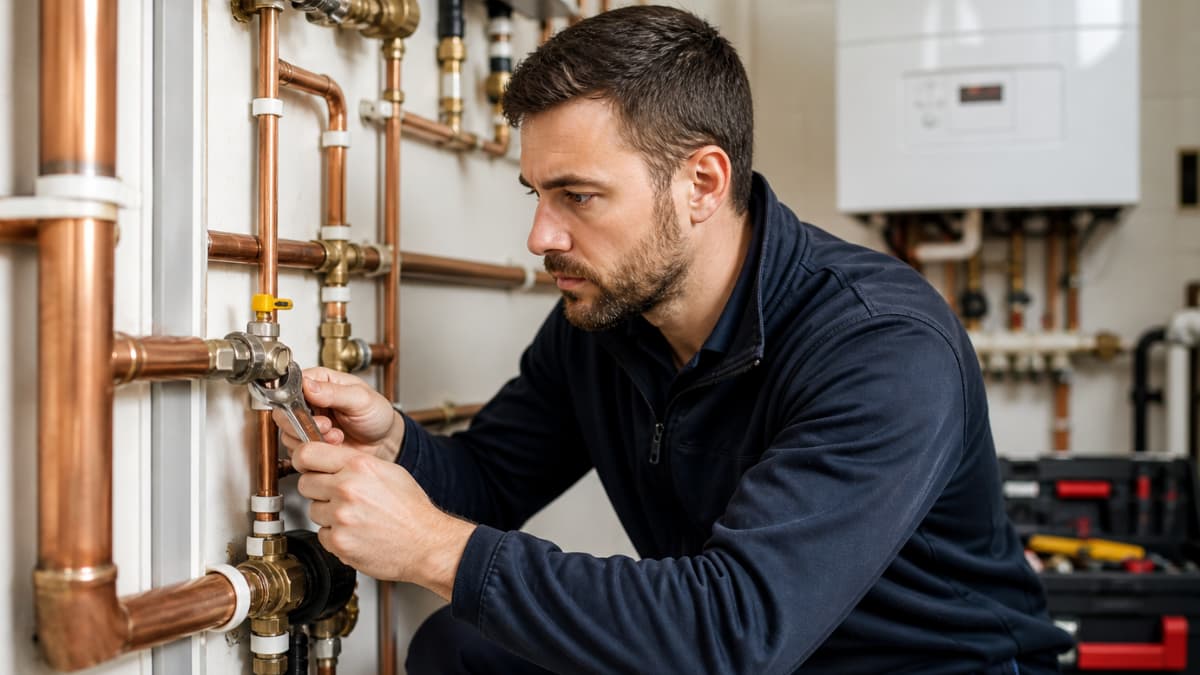
Standards of workmanship are central to safe gas engineering. Every installation, repair and service must be carried out to a level that ensures safety, reliability and performance.
Good workmanship is not only about appearance. It reflects how pipework is installed, how appliances are connected, how systems are commissioned and how safety is maintained throughout the process.
For gas engineers, strong workmanship reduces faults, prevents unsafe situations and supports full compliance with gas safety legislation.
Legal Duties and Compliance Requirements
Gas engineers must work in line with the Gas Safety Installation and Use Regulations. These regulations require all gas work to be carried out safely and to an acceptable standard.
Compliance means:
- ensuring installations are safe for use
- preventing danger during and after work
- following recognised procedures
- working within competence
- using suitable materials and methods
- maintaining clear and accurate records
Poor workmanship is one of the most common causes of unsafe situations and enforcement action.
Industry Standards and Best Practice
Industry standards, manufacturer instructions, and accepted best practices guide workmanship.
Engineers are expected to:
- follow appliance manufacturer instructions at all times
- apply recognised installation methods
- use correct materials and jointing techniques
- ensure systems are properly supported and protected
These standards create consistency across the industry and ensure installations perform safely over time.
Pipework Installation Standards
Pipework forms the backbone of any gas installation. Poor pipework design or installation can lead to pressure issues, leaks and reliability problems.
Good pipework installation includes:
- correct sizing based on appliance demand and allowable pressure drop
- minimising excessive bends and restrictions
- routing pipework safely through walls, floors and voids
- ensuring accessibility for inspection and maintenance
- protecting pipework from corrosion and mechanical damage
- securing pipework with appropriate clips and supports
Incorrect sizing or poor routing can lead to poor appliance performance and failed commissioning checks.
Jointing Methods and Best Practice
Joints are one of the most common sources of leaks in gas installations.
Engineers should understand and apply correct methods for:
- compression joints
- soldered joints
- press fit systems where applicable
Best practice includes:
- ensuring joints are clean and properly prepared
- using correct jointing compounds where required
- aligning pipework before tightening
- avoiding over tightening, which can damage fittings
- checking joints during and after installation
Every joint should be treated as a potential failure point. Care taken during installation reduces future risk.
Appliance Installation and Positioning
Appliances must be installed in accordance with manufacturer instructions and industry standards.
Engineers must consider:
- correct positioning and clearances
- accessibility for servicing and maintenance
- safe connection to the gas supply
- environmental factors affecting operation
- correct mounting and stability
Incorrect positioning can affect combustion, servicing access and safety.
Flue Installation and Compliance
Flues are critical for safely removing products of combustion. Poor flue installation is a major cause of dangerous situations.
Engineers must ensure:
- correct flue sizing and routing
- secure connections throughout the full flue length
- correct termination position and clearances
- integrity of concealed flues
- inspection for corrosion, damage or disconnection
Signs of flue issues may include staining, corrosion or evidence of spillage. These must be addressed immediately.
Ventilation and Combustion Air
Adequate ventilation is essential for safe combustion.
Engineers should:
- confirm ventilation meets appliance requirements
- check that vents are present and unobstructed
- consider the impact of modern property changes, such as sealed windows
- assess the effect of extractor fans on combustion air
- identify situations where ventilation is insufficient
Poor ventilation can lead to incomplete combustion and the risk of carbon monoxide production.
Supporting and Protecting Installations
Gas installations must remain secure and protected over time.
This includes:
- supporting pipework correctly to prevent movement
- protecting installations from physical damage
- avoiding stress on joints and connections
- preventing exposure to corrosive conditions
Supported and protected installations are less likely to develop faults.
Commissioning and System Checks
Commissioning is the stage in which workmanship is verified, and system safety is confirmed.
Engineers must:
- carry out tightness testing to confirm gas soundness
- check standing and working pressure
- complete combustion analysis where required
- set appliances correctly according to the manufacturer’s instructions
- confirm operation of safety devices
- verify overall system performance
Failure to commission properly can leave unsafe conditions undetected.
Documentation and Handover
Documentation is an essential part of compliant gas work.
Engineers should:
- complete Benchmark or equivalent commissioning records
- record test results, pressures and settings
- provide clear user instructions to the customer
- document any defects or advisory notes
Clear documentation provides evidence of compliance and supports future servicing.
Inspection and Self-Check Before Leaving Site
Before leaving the site, engineers should carry out a final inspection of their work.
This should include:
- visual check of all pipework and joints
- confirmation that pipework is supported and protected
- verification of flue integrity and termination
- check that ventilation is adequate and unobstructed
- confirmation that the system operates safely
- review of completed documentation
This final check serves as quality control and reduces the likelihood of missed faults.
Workmanship Errors
Poor workmanship often follows similar patterns.
Examples include:
- unsupported pipework in cupboards or loft spaces
- poorly made joints or incorrectly tightened fittings
- incorrect pipe sizing leading to pressure issues
- flues not secured or incorrectly terminated
- inadequate ventilation or blocked vents
- incomplete commissioning checks
- missing or unclear documentation
Recognising these issues helps engineers avoid repeating them.
Workmanship and Unsafe Situations
Poor workmanship can quickly lead to unsafe situations.
Examples include:
- gas leaks from poorly made joints
- flue disconnection leading to products of combustion entering the property
- incorrect appliance setup causing unsafe combustion
- inadequate ventilation leading to carbon monoxide risk
These situations may require classification as Immediately Dangerous or At Risk and must be addressed in line with Regulation 26 duties.
Workmanship and Enforcement
Poor standards of work are a common trigger for enforcement action.
Issues may be identified through:
- customer complaints
- inspections by the Gas Safe Register
- investigation of unsafe situations
- follow up on incidents
Where standards are not met, engineers may face:
- corrective notices
- increased inspection
- suspension or removal from the register
- legal consequences in serious cases
Strong workmanship reduces these risks significantly.
ACS Assessment and Workmanship
Workmanship is assessed during ACS through both practical and theoretical elements.
Candidates are expected to:
- demonstrate correct installation techniques
- identify poor workmanship
- understand standards and requirements
- explain how defects should be corrected
A structured and methodical approach improves performance in assessment.
Reference Table
| Area | Good Practice | Risk If Poor |
|---|---|---|
| Pipework | Correct sizing, routing and support | Pressure loss and leaks |
| Joints | Clean, aligned and correctly tightened | Gas escape |
| Flues | Secure, continuous and correctly terminated | Unsafe combustion |
| Ventilation | Adequate and unobstructed | Carbon monoxide risk |
| Commissioning | Full system checks completed | Unsafe operation |
| Documentation | Clear and accurate records | Lack of compliance evidence |
Workmanship Checklist
| Check | Description | Complete |
|---|---|---|
| Pipework | Correctly sized, routed and supported | ☐ |
| Joints | All joints secure and leak free | ☐ |
| Appliance | Installed to manufacturer instructions | ☐ |
| Flue | Secure, continuous and correctly terminated | ☐ |
| Ventilation | Meets required standards | ☐ |
| Commissioning | Tightness test, pressure checks and setup completed | ☐ |
| Documentation | Records and handover completed | ☐ |
| Final Inspection | Full system checked before leaving site | ☐ |
Gas Training In Staffordshire
Engineers across Staffordshire can develop their technical skills and regulatory knowledge through training at Staffordshire Training Services.
Gas training focuses on real-world applications, helping engineers build confidence in installation, commissioning, safety, and compliance.
Maintaining Professional Standards In Gas Work
Standards of workmanship define the quality and safety of gas installations. Every stage of work, from pipework to commissioning, contributes to the outcome.
By following recognised standards, maintaining attention to detail and applying consistent practices, engineers can ensure safe installations, reduce faults and protect their professional reputation.
Strong workmanship is a clear sign of a competent and confident gas engineer.
Related Articles
- Ventilation and Flueing Requirements For Gas Appliances
- Tightness Testing and Gas Soundness For Engineers
- Combustion Principles For Gas Engineers
- Engineer Responsibilities When Customers Refuse Disconnection
- Gas Safety (Installation and Use) Regulation Failures Found During ACS
Prefer an AI Summary?