Starting as a newly qualified gas engineer is an exciting milestone. After completing your training and assessments, you are finally ready to apply your skills in real homes and workplaces. Your first year is not about knowing everything. It is about building confidence, consistency and professional habits that will support you throughout your career.
This sets out a clear and realistic picture of your first year in the industry, from early responsibilities to long-term progression, so that you can approach it with confidence.
Transition From Training To Real Work
The move from training into live work is one of the most significant adjustments you will make. During your course, tasks are structured, supervised and assessed in a controlled environment. In the real world, every job presents different challenges, properties and customer expectations.
You will quickly learn that no two jobs are ever the same. Pipe routes may be awkward, appliances may be unfamiliar, and properties may not meet modern standards. This is normal and part of the learning process. The key is to trust the principles you learned during training and apply them carefully to every job.
Mistakes may happen early on, but each one becomes a learning opportunity that strengthens your competence.
The First Three Months On The Gas Safe Register
Once you register as a newly qualified gas engineer or start trading as a new business, you are placed into a three-month probationary period with the Gas Safe Register. This is a standard process designed to support public safety and uphold industry standards.
During this time, your work is subject to closer scrutiny. This is not intended to catch you out. It exists to confirm that the standards demonstrated during your ACS assessments are being applied consistently in real customer homes.
Understanding this process early will help you avoid unnecessary stress and ensure your registration remains secure.
Mandatory Job Reporting During Probation
Throughout the probationary period, you must notify the Gas Safe Register of every gas job you complete. This includes boiler installations, cooker connections, fire installations and any other notifiable gas work.
Accurate reporting is essential. It demonstrates transparency and allows Gas Safe to monitor the type and frequency of work you are carrying out. Failing to report work can raise concerns and may lead to further investigation.
Many new engineers find it helpful to build job notification into their daily routine so nothing is missed.
Probationary Work Inspections
During your first three months, you are very likely to be contacted for a probationary work inspection. This is a regular part of the registration process.
You will be asked to provide evidence of recent work and arrange a suitable time for an inspector to visit. Refusing an inspection, failing to supply evidence or avoiding contact can result in your registration being suspended.
Inspections focus on safety, compliance and correct procedures rather than speed. As long as you follow best practice and work methodically, inspections should be approached with confidence rather than concern.
Purpose Of The Probationary Period
The probationary period exists to protect customers and support new engineers. It ensures that the competence demonstrated during assessments is maintained in real-world conditions.
It also reinforces good habits early in your career, such as proper testing, documentation and safe working practices. Engineers who engage positively with the process often find it strengthens their confidence rather than undermines it.
Typical Work You Will Carry Out
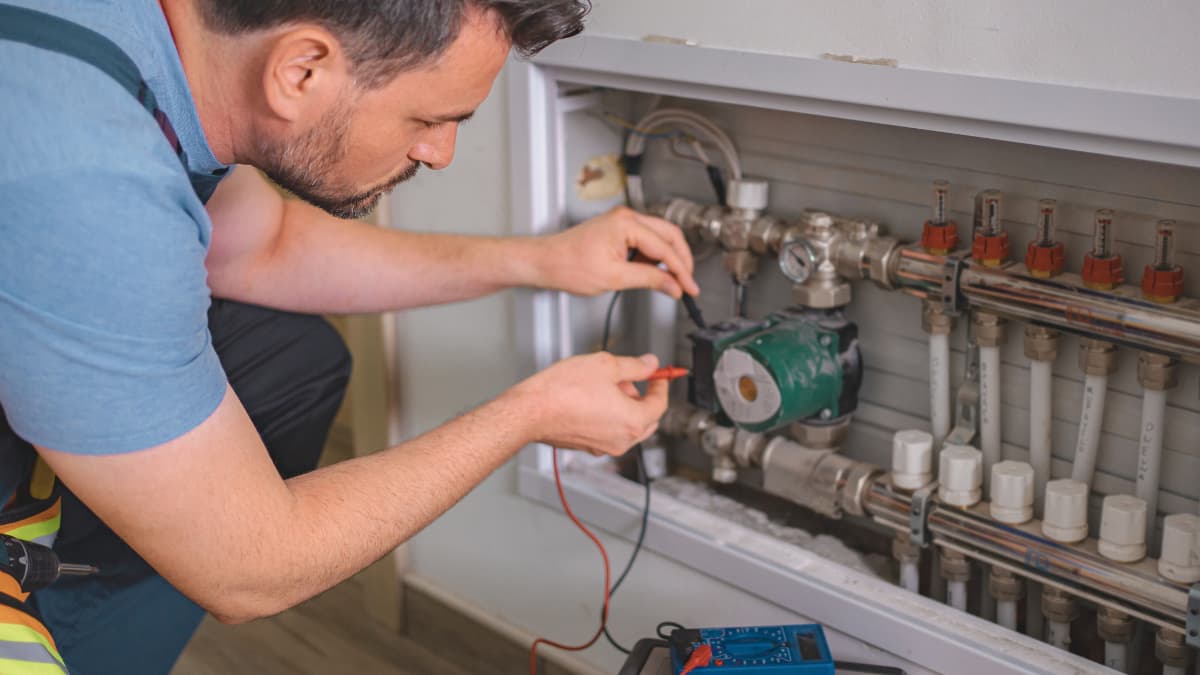
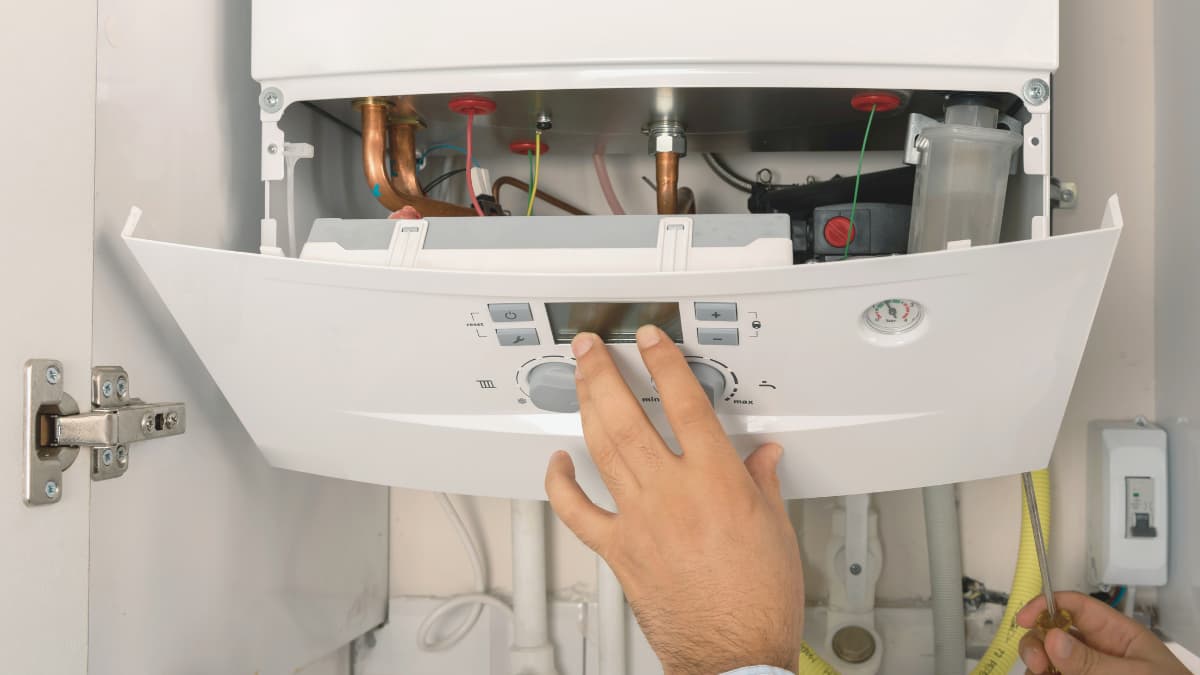
In your first year, most of your work will be domestic. This often includes boiler servicing, appliance maintenance, basic installations, replacements, and fault-finding.
You may encounter older appliances, systems installed to previous standards and properties with limited access. Exposure to a wide range of scenarios is one of the most valuable aspects of your first year, and it accelerates learning far more than classroom training alone.
Developing Confidence and Consistency
Confidence grows through repetition. Tasks that feel daunting at first quickly become routine once you have carried them out several times. Fault-finding improves as you begin to recognise patterns and symptoms rather than relying solely on manuals.
Consistency is just as important as confidence. Customers and employers value engineers who work methodically, safely and professionally on every job, regardless of size.
Legal Responsibilities and Safe Working Practices
From your first job onwards, you are legally responsible for working in line with Gas Safety Regulations. This includes correct testing procedures, safe isolation, appropriate ventilation checks and accurate certification.
Good record-keeping is essential. Clear documentation protects both you and your customers and demonstrates professionalism if your work is ever reviewed.
Managing Customers and Communication
Technical ability alone does not define a successful gas engineer. Clear communication is vital, particularly when dealing with homeowners.
Customers appreciate engineers who explain work, set realistic expectations and remain calm under pressure. Even if a job becomes more complex than expected, honest communication builds trust and confidence.
Support, Supervision and Mentorship
Many newly qualified engineers begin their careers working alongside experienced professionals. This support is invaluable during the first year.
Knowing when to ask for advice is a strength, not a weakness. Learning from others helps you develop good habits and avoid costly mistakes as you gradually build independence.
First Year Challenges
The first year comes with challenges. Time management can be complex when jobs take longer than expected. You may encounter unfamiliar appliances or systems that require additional research.
Balancing efficiency with quality takes time, but it improves naturally with experience. Staying patient and professional during setbacks is part of becoming a competent engineer.
Earnings and Work Patterns In Year One
Earnings during the first year vary depending on employment type and workload. Engineers in employed roles benefit from stable income and supervision, while self-employed engineers may experience fluctuating earnings as they build a customer base.
Seasonal demand also plays a role, with higher workloads during colder months. Realistic expectations help prevent unnecessary pressure during the early stages of your career.
Continuing Training and Skill Development
Qualification is not the end of learning. Many engineers continue to expand their ACS categories or move into specialist areas such as commercial gas or renewable technologies.
Ongoing gas training keeps skills current, supports compliance and opens new career opportunities as the industry evolves.
Long Term Career Progression
After the first year, many engineers begin to shape their long-term direction. Some focus on advanced gas work, while others branch into plumbing, heating design or renewable energy systems.
A strong first year lays a solid foundation for growth, stability, and career satisfaction.
Laying Strong Foundations For A Successful Career
Your first year as a gas engineer is a period of growth, responsibility and learning. By embracing the probationary process, maintaining high standards and committing to continued development, you set yourself up for long-term success.
Gas engineering remains a reliable and rewarding career for those who approach it professionally. With proper training, support, and a mindset, your first year becomes the foundation for a confident and prosperous future in the industry.
Related Articles
- Career as a Gas Engineer
- From MLP To Gas Safe Engineer In 12 Months
- Start Training As a Gas Engineer
- Tools, Kit, Gear and Apps Every New Gas Engineer Needs
- Is Gas Engineer Career Still Worth It
Prefer an AI Summary?