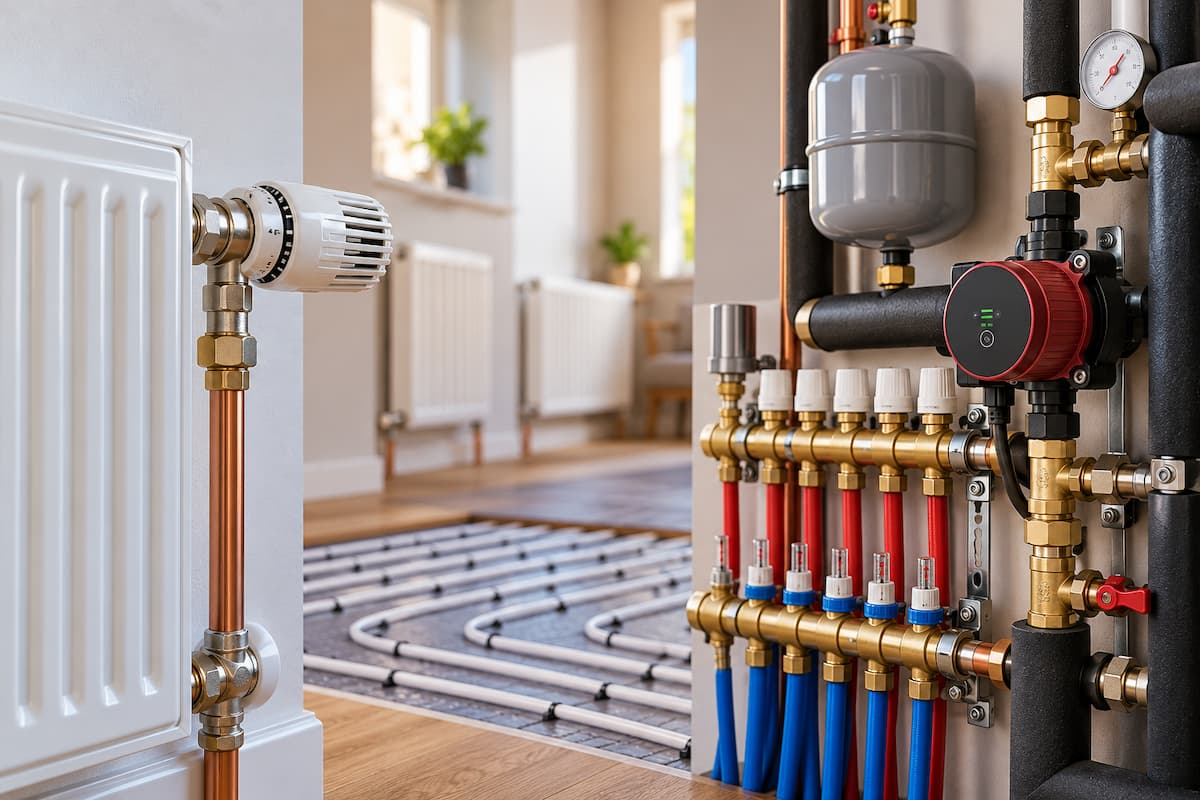
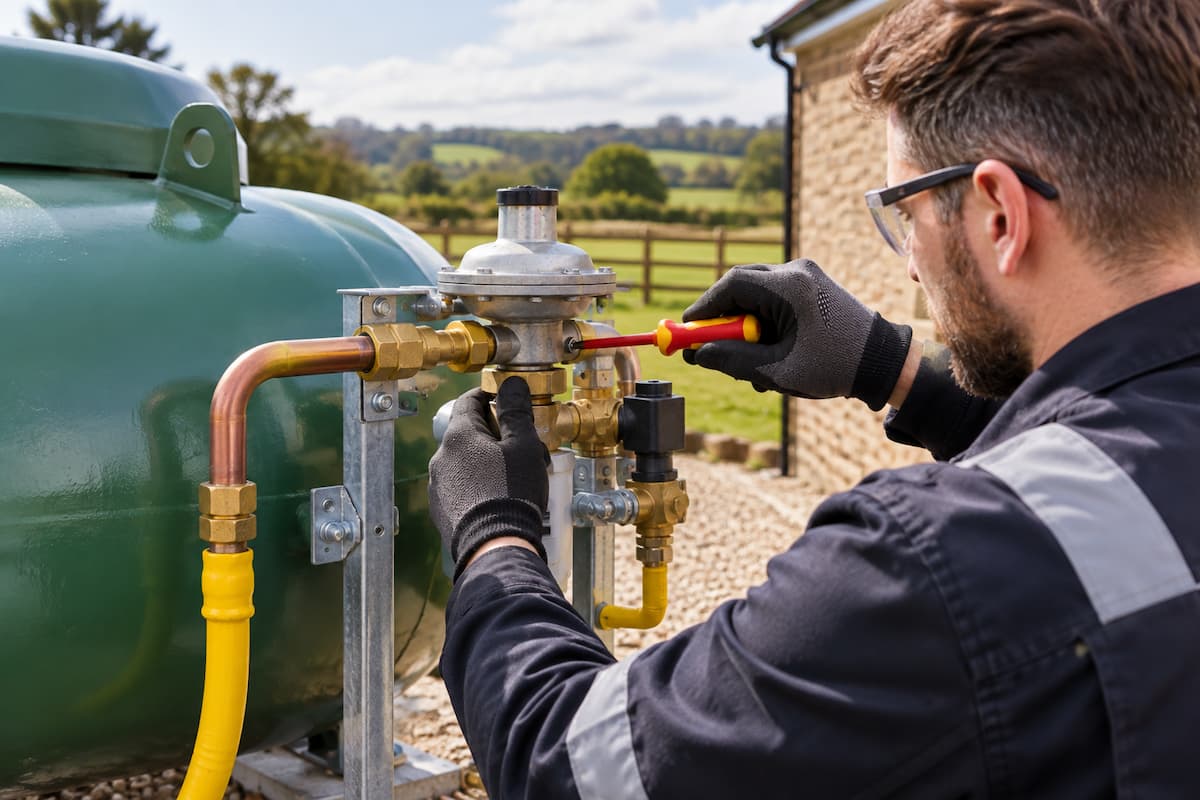
For a gas engineer already qualified to work with natural gas, adding LPG competence can extend the range of installations, properties and customers they can work with. LPG is widely associated with properties away from the mains gas network, but its applications extend beyond conventional houses to residential park homes and leisure accommodation vehicles.
Existing natural gas competence does not automatically cover LPG work. Although many fundamental gas safety principles remain relevant, engineers need the appropriate competence for the fuel and installation type they intend to work on.
LPG changeover training and assessment provides a route for experienced gas engineers to demonstrate this additional competence. At Staffordshire Training Services, the ACS LPG Changeover Initial Assessment leads to CONGLP1, with additional scope options available for Permanent Dwellings, Residential Park Homes and Leisure Accommodation Vehicles.
LPG as an Additional Gas Competence
Liquefied petroleum gas differs from mains natural gas in several important respects. It is supplied and stored differently, has different physical characteristics and requires engineers to understand LPG installation and safety considerations.
This is the purpose of a changeover route. An experienced natural gas engineer is not starting gas training again from the beginning. Instead, existing gas knowledge is being extended to another fuel and the particular applications in which that fuel is used.
For engineers looking to broaden their professional scope, this makes LPG changeover quite different from an initial route into gas engineering.
The Staffordshire Training Services ACS LPG Changeover Initial Assessment is designed for experienced gas engineers who already hold ACS Domestic Gas Safety and Appliances CCN1 and/or the relevant Core Commercial Natural Gas Safety COCN1 qualification.
Natural Gas and LPG Differences
An engineer moving into LPG needs to appreciate that familiarity with natural gas appliances and installations does not remove the need to understand the characteristics of LPG.
LPG is commonly supplied as propane or butane and stored as a liquid under pressure. Once released from storage, it vaporises and is supplied to appliances in gaseous form.
One of the particularly important safety characteristics is vapour density. LPG vapour is heavier than air, which influences the potential behaviour of escaping gas and must be considered when assessing installation risks.
Fuel characteristics also affect combustion, appliance configuration, operating pressures and gas rates. An engineer therefore needs to approach an LPG installation as an LPG installation rather than applying natural gas assumptions to a different fuel.
Existing knowledge of combustion principles for gas engineers remains highly relevant, but those principles need to be applied correctly to the characteristics and requirements of LPG.
LPG Changeover and CONGLP1
CONGLP1 is the ACS LPG Changeover qualification offered through the Staffordshire Training Services course.
The changeover route is intended for engineers transferring existing natural gas competence to LPG. The live course requires candidates to hold CCN1 and/or the relevant COCN1 qualification.
This entry requirement is significant. LPG changeover should not be confused with a general gas training programme for somebody entering the industry with no previous gas qualifications.
New entrants still need an appropriate pathway into gas engineering, such as the Gas Managed Learning Programme or another recognised training route, before progressing through the relevant competence assessments.
For an established gas engineer, CONGLP1 instead represents additional competence that can sit alongside existing natural gas qualifications.
LPG Installation Environments
One of the attractions of LPG competence is the variety of environments in which the fuel can be encountered.
Mains natural gas depends upon connection to the gas distribution network. LPG can provide fuel where that connection is unavailable or unsuitable.
That makes LPG relevant to properties and installations in locations such as rural areas, holiday accommodation and residential developments outside the conventional mains gas network.
The exact work an engineer can undertake depends upon the competencies they hold. This is particularly important because CONGLP1 can be combined with different scope extensions according to the environments in which the engineer intends to work.
Permanent Dwellings
Permanent Dwellings, identified as PD, is one of the scope extensions available alongside CONGLP1 through Staffordshire Training Services.
This is particularly relevant to engineers intending to work in houses and other permanent domestic properties using LPG rather than mains natural gas.
For a heating engineer operating across rural communities, adding LPG competence can therefore extend the geographical range of properties they can potentially support.
The important point is that the qualification held should correspond with the actual work being undertaken. Engineers should consider the types of LPG installations they expect to encounter before selecting their assessment scope.
Residential Park Homes
Residential Park Homes, identified as RPH, are another available scope extension.
These properties create a distinct area of LPG work. Engineers may encounter different installation arrangements and site conditions from those associated with conventional permanent dwellings.
Staffordshire Training Services allows candidates undertaking LPG changeover assessment to include CONGLP1 RPH where this reflects the work they intend to undertake.
For engineers working in areas with residential park developments, adding the appropriate competence can therefore be a useful extension to an existing domestic gas career.
Leisure Accommodation Vehicles
The LAV scope extension covers Leisure Accommodation Vehicles.
This can include applications associated with touring caravans, campervans and motorhomes. LPG is particularly suited to mobile accommodation because fuel can be stored independently rather than relying on a fixed mains connection.
The installation environment is considerably different from a conventional house. Space, ventilation, appliance arrangements and the mobile nature of the accommodation all reinforce the need for competence specific to this type of work.
CONGLP1 LAV is available as one of the optional applications within the Staffordshire Training Services LPG changeover assessment.
The Appropriate LPG Scope
Gas engineers considering LPG training should therefore think beyond simply obtaining “an LPG qualification”.
The more useful question is which LPG competence reflects the work they intend to undertake.
At Staffordshire Training Services, the available options associated with the changeover assessment include:
- CONGLP1
- CONGLP1 PD for Permanent Dwellings
- CONGLP1 RPH for Residential Park Homes
- CONGLP1 LAV for Leisure Accommodation Vehicles
Candidates do not necessarily need every available scope. The appropriate combination depends upon existing qualifications and the type of LPG work the engineer expects to carry out.
This makes planning important. An engineer predominantly working on rural domestic heating may have different requirements from somebody whose business serves caravan parks or residential park homes.
LPG Supply and Storage
Moving from natural gas to LPG also means understanding a different method of fuel supply.
Natural gas is normally delivered continuously through the distribution network. LPG installations instead depend upon stored fuel.
The engineer therefore needs an appreciation of the complete supply arrangement rather than concentrating only on the appliance.
Storage arrangements, regulators, valves, pipework and the surrounding environment all contribute to safe operation. Engineers also need to recognise the boundaries of their own competence and whether additional LPG qualifications are required for particular work.
This distinction is important because obtaining CONGLP1 does not mean an engineer should assume competence across every possible LPG storage, supply and appliance arrangement.
Gas Pressure and LPG Systems
Pressure remains fundamental to safe gas work, but engineers need to apply their knowledge to the particular fuel and installation in front of them.
Regulation stages and supply arrangements can differ from the mains natural gas systems an engineer may encounter routinely. Engineers need to understand the expected operating conditions and use the correct procedures and manufacturer information for the installation concerned.
The principles behind gas pressure testing and appliance performance remain relevant because inadequate or incorrect pressure can affect appliance operation, combustion and safety.
Competence involves more than obtaining a measurement. The engineer must understand the significance of the result and recognise when it indicates a problem elsewhere in the supply or installation.
Appliance Changeover
Appliances intended to operate on one gas family cannot simply be assumed to operate correctly on another.
Where an appliance is designed and approved for conversion, the correct manufacturer-specified components, settings and procedures are required. Appliance suitability must therefore be established rather than assumed.
This is an important distinction for engineers coming from natural gas work. The physical appearance of an LPG appliance may be familiar, but fuel characteristics influence the way gas is delivered and burned.
Incorrect conversion or adjustment can adversely affect combustion and appliance safety.
Gas engineers need to work within the appliance manufacturer’s instructions, their assessed competence and the applicable gas safety requirements.
Combustion and LPG Appliances
Correct combustion depends upon an appropriate relationship between fuel, air and ignition.
Changing the fuel changes part of that relationship. Engineers need to appreciate the effect this can have on appliance configuration, gas rate and combustion performance.
The ability to identify abnormal combustion is therefore just as important in LPG work as it is when working with natural gas.
Where combustion analysis forms part of the appropriate appliance procedure, engineers need to understand both the measurement being taken and its significance. Combustion analysis and flue gas testing should always be interpreted alongside appliance manufacturer instructions and the requirements applicable to the installation.
This reinforces a broader principle of changeover training. Existing technical skills remain useful, but they must be applied correctly to the new fuel.
Tightness Testing and Soundness
Soundness remains a fundamental safety requirement for LPG installations.
The characteristics of LPG make uncontrolled leakage particularly important to recognise and manage correctly. Engineers must be competent in the relevant tightness testing procedures for the installation they are working on and understand the significance of any pressure movement or suspected leakage.
Existing experience with tightness testing and gas soundness provides an important technical foundation, but the engineer must use procedures appropriate to LPG and the installation type.
Assessment therefore needs to establish that candidates can do more than remember a sequence. They must be capable of working safely, using appropriate equipment and interpreting their findings correctly.
Ventilation and Flueing
LPG appliance work also requires the same disciplined approach to combustion air, ventilation and removal of combustion products expected elsewhere in gas engineering.
Engineers need to assess the complete installation rather than concentrating solely on the fuel supply.
Appliance type, location, ventilation provision and flue arrangements can all influence safety. Existing knowledge of ventilation and flueing requirements for gas appliances therefore continues to form part of the engineer’s wider competence.
The installation environment becomes particularly important where LPG appliances are used in accommodation types that differ substantially from conventional houses.
Initial LPG Changeover Assessment
The ACS LPG Changeover Initial Assessment at Staffordshire Training Services is intended for experienced engineers holding CCN1 and/or the relevant COCN1 qualification who want to develop competence in LPG appliances.
The programme primarily uses self-study, with candidates having access to current manuals to confirm their knowledge before assessment.
Assessment typically takes place over one or two days, depending on the scope extensions being undertaken. Candidates may include Permanent Dwellings, Residential Park Homes and Leisure Accommodation Vehicles according to the competencies they require.
The initial route also applies if an engineer previously held the LPG changeover qualification, but it expired more than 12 months ago.
LPG Changeover Reassessment
Gas competence must be maintained, not treated as a qualification gained once and retained indefinitely.
The ACS LPG Changeover Reassessment is intended for experienced engineers who already hold CONGLP1, together with any relevant additional scope, and need to renew their competence.
At Staffordshire Training Services, the reassessment route is available where the existing qualification is due to expire within six months or has expired within the previous 12 months. If it has been expired for more than 12 months, the Initial Assessment route is required instead.
Reassessment typically takes between one and two days and can include aspects of self-study using current manuals. PD, RPH and LAV scope extensions can also be included where required.
Initial Assessment and Reassessment
The distinction between the two routes is primarily based on the engineer’s existing LPG competence.
Someone holding the appropriate natural gas core qualification and moving into LPG would normally follow the Initial Assessment route.
An engineer already holding CONGLP1 and approaching renewal would normally undertake Reassessment, provided the qualification falls within the applicable eligibility period.
An engineer whose LPG competence expired more than 12 months previously returns to the Initial Assessment route.
Checking existing certificates before booking can therefore prevent an engineer from selecting the wrong assessment.
Extending a Gas Engineering Business
LPG competence can make commercial sense for some established gas engineers because it increases the range of installations they can potentially support.
This is particularly relevant where a business operates across a mixture of urban and rural areas. A company dealing exclusively with mains gas properties may have limited exposure to LPG, while engineers serving villages, rural estates, holiday accommodation or park home developments may encounter it much more frequently.
The value of LPG training therefore depends partly upon the engineer’s customer base and intended market.
Rather than collecting qualifications without a clear purpose, engineers can select PD, RPH or LAV scope according to the work available in their area and the direction in which they want to develop their business.
For some engineers, that may mean focusing on permanent LPG dwellings. For others, leisure accommodation or residential park homes may offer a stronger reason to expand their expertise.
Existing Skills Still Matter
LPG changeover training does not replace the knowledge developed through years of natural gas work.
Safe isolation, soundness, pressure measurement, combustion, ventilation, flueing, appliance safety and recognition of unsafe situations remain fundamental professional skills.
The difference is that engineers must be able to transfer those principles correctly into an LPG environment while recognising the areas in which LPG requires different knowledge, procedures or competencies.
That is one reason the changeover route is aimed at experienced gas engineers rather than complete beginners. Candidates arrive with an existing gas safety foundation and extend it into another area of professional work.
LPG Changeover Training In Stafford
Staffordshire Training Services provides both initial LPG changeover assessment and reassessment at our training centre in Stafford as part of our wider range of gas training courses.
Qualified engineers holding CCN1 and/or the relevant COCN1 can use the Initial Assessment route to work towards CONGLP1 and select relevant PD, RPH or LAV scope extensions according to the LPG work they intend to undertake. Existing CONGLP1 engineers approaching renewal can use the reassessment route where they meet the eligibility requirements.
For engineers already established in natural gas, LPG changeover provides a focused way to extend existing competence rather than starting another gas qualification pathway from the beginning.
The result is a broader professional skill set that can support work across permanent dwellings, residential park homes and leisure accommodation where LPG competence is required.
Related Articles
- Guide to ACS Renewal and Reassessment
- Gas Managed Learning Programme Versus Level 3 Apprenticeship
- Choosing Between F-Gas Category 1 and Category 2
- Qualifications Needed To Become a Gas Safe Engineer
- ACS Domestic Gas Meter Installation Training and Assessment Guide
Prefer an AI Summary?