As the UK heating industry moves towards more energy-efficient systems, low-temperature heating is becoming an increasingly important area of knowledge for qualified heating engineers.
Traditional gas and oil boilers are often installed in systems designed to operate at relatively high flow temperatures. Heat pumps, however, generally achieve their best efficiency at lower temperatures, making accurate heat loss calculations, suitable heat emitters and correct system design particularly important.
For experienced heating engineers, this creates an opportunity to develop existing skills and expand into renewable heating installations. Understanding low-temperature heating principles is valuable not only for heat pumps but also for improving the efficiency of conventional wet central heating systems.
At Staffordshire Training Services, our Low Temperature Heating and Hot Water Systems Course (Level 3) provides industry-recognised training for engineers looking to develop their technical knowledge of modern heating system design.
Low Temperature Heating Skills
Low temperature heating refers to wet central heating systems designed to deliver the required heat output using lower circulating water temperatures than traditional high temperature systems.
Conventional radiator systems have historically been designed around flow and return temperatures such as 80°C and 60°C. Modern systems can operate at substantially lower temperatures, although the appropriate design conditions depend on the building’s heat losses, the heat source and the installed emitters.
For example, a heating system designed around a 45°C flow temperature will generally require larger heat emitters than a system operating at 75°C to provide the same room heating output.
This difference has significant implications for heating engineers. Reducing flow temperatures without checking the heat loss of each room and the available radiator output can leave parts of a property inadequately heated.
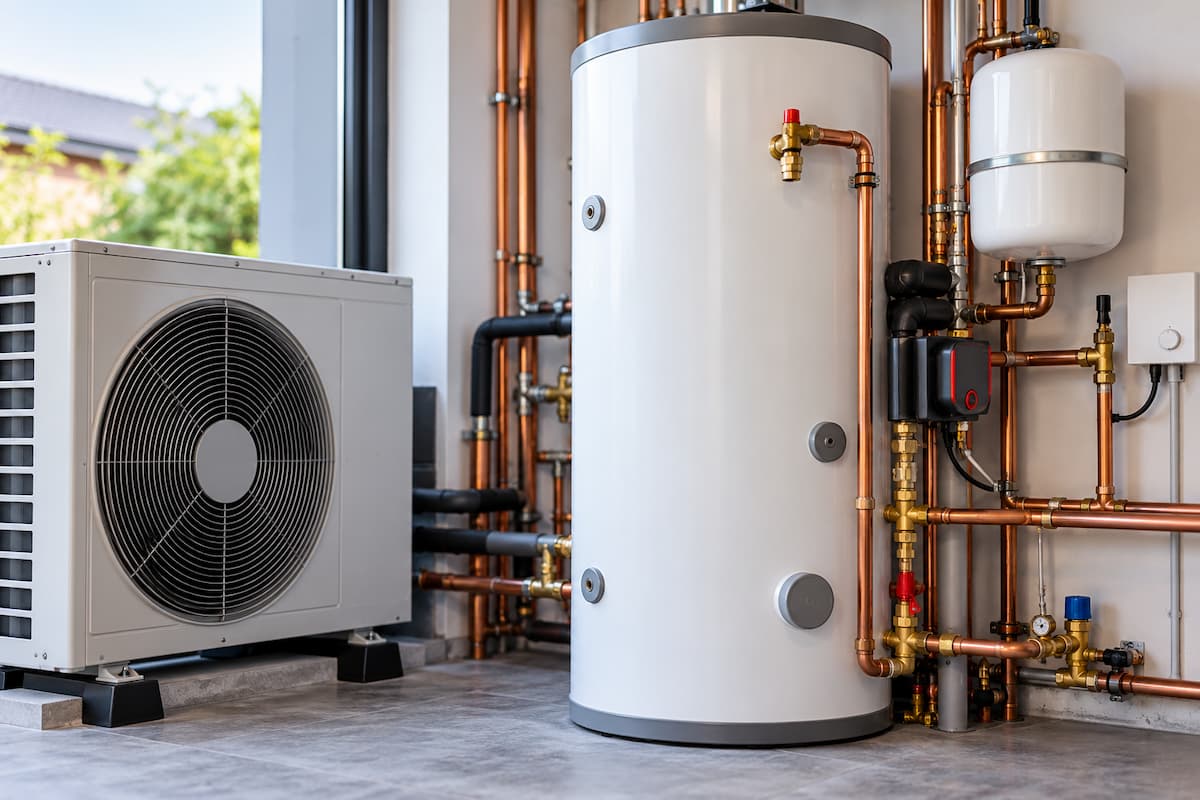
The principles of low temperature heating systems for renewable installers are particularly relevant when designing heat pump installations, where flow temperature has a direct influence on efficiency and operating costs.
Low temperature heating principles apply to several technologies, including air source and ground source heat pumps, condensing boilers, underfloor heating and hybrid heating systems.
Although these technologies have different operating characteristics, they all benefit from correctly sized heat emitters, appropriate water flow rates and effective heating controls.
System Design
Low-temperature heating performance depends on the relationship between the building’s heat demand, the water temperature and the ability of the heating system to distribute sufficient heat.
An appropriately selected heat source cannot compensate for fundamental problems with radiator sizing, pipework or circulation. For heating engineers, understanding the complete system is therefore essential.
Room By Room Heat Loss Calculations
Heat loss calculations establish the heating output required to maintain the desired internal temperature under specified external design conditions.
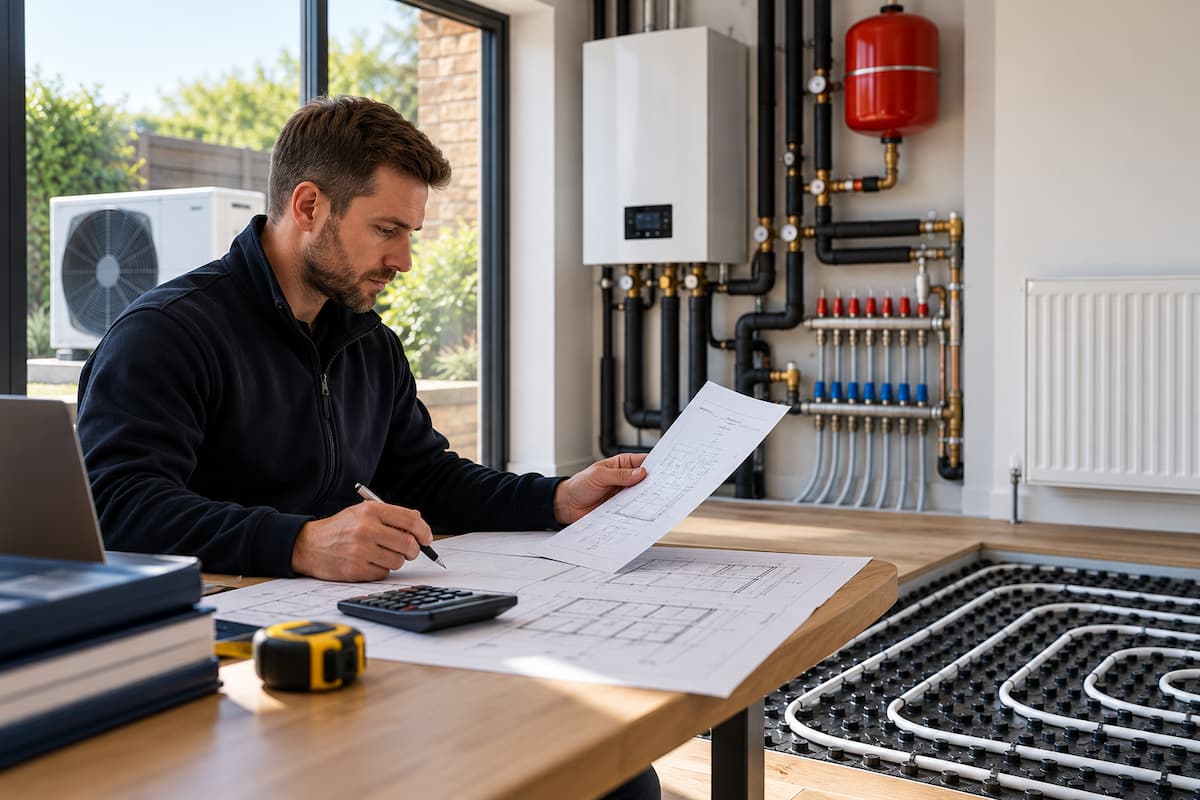
Rather than estimating heating requirements from floor area alone, engineers need to account for external walls, windows, roofs, floors, ventilation and the thermal performance of the building fabric.
Accurate calculations allow individual radiators or other emitters to be selected according to the heat demand of each room.
This is particularly important for heat pump installations, where heat loss calculations influence equipment selection, system efficiency and the ability to maintain comfortable indoor temperatures.
Heat Emitter Sizing
Radiator output changes according to the temperature difference between the radiator and the surrounding room.
A radiator that provides sufficient heat at a high flow temperature may deliver considerably less output when connected to a low-temperature heating system.
For example, a radiator rated at 2,000 watts under standard ΔT50 conditions will not necessarily deliver 2,000 watts when operating at a flow temperature of 45°C.
Engineers must use the appropriate manufacturer’s output data or correction factors to establish its performance under the proposed design conditions.
Correct radiator sizing for heat pumps may result in larger radiators, additional heat emitters or alternative solutions such as underfloor heating.
Pipework And Circulation
Lower operating temperatures can require higher water flow rates to transfer a given amount of heat, particularly where the system is designed around a smaller difference between flow and return temperatures.
This makes pipe sizing, pump selection and hydraulic resistance important considerations.
Engineers need to understand the relationship between heat output, water flow rate and temperature difference, alongside the effect of pipework resistance on circulation.
A system with insufficient flow may struggle to transfer the required heat, while excessive flow or poorly configured pumps can contribute to noise, unnecessary electricity consumption and control problems.
The objective is to provide the correct flow through the heat source and distribution system under the intended operating conditions.
Existing Heating Engineering Skills
Experienced gas, oil and plumbing engineers already possess many of the practical skills needed to work with low temperature heating systems.
Knowledge of wet central heating, radiator installation, pipework, circulation pumps, expansion vessels and heating controls provides a useful foundation.
However, experience with conventional boiler systems does not automatically mean an engineer is familiar with the design requirements of heat pumps. The main difference is the emphasis placed on achieving the required heating output at lower water temperatures.
For example, an engineer replacing a conventional boiler may previously have retained existing radiators without undertaking a complete room-by-room heat loss assessment.
When converting the same property to a heat pump, the existing radiators must be assessed against the proposed operating temperatures to establish whether they can provide sufficient heat.
Formal low temperature heating training builds on existing practical experience while developing the design knowledge needed for modern heating technologies.
Additional Skills and Qualifications
Low-temperature heating design brings together several technical disciplines that engineers may previously have encountered separately.
The main challenge is understanding the relationship between heat demand, operating temperatures, water flow and system components. A change to one element can affect the performance of the entire installation.
| Technical Skill | Practical Application |
|---|---|
| Heat loss calculations | Establishing heating requirements for individual rooms |
| Heat emitter sizing | Selecting radiators and other emitters for lower flow temperatures |
| Pipework sizing | Providing sufficient water flow with acceptable hydraulic resistance |
| Circulation pump selection | Matching pump performance to system requirements |
| Domestic hot water design | Assessing hot water demand and suitable system arrangements |
| Heating controls | Managing temperatures and operating periods efficiently |
| System configuration | Integrating heating components into a suitable system layout |
These skills allow engineers to make informed design decisions rather than treating individual components in isolation.
Heating Controls and Weather Compensation
Modern heating controls play an important part in low-temperature system performance.
Weather compensation adjusts the heating flow temperature according to external conditions and the selected heating curve. During milder weather, a correctly configured system can operate at a lower flow temperature while maintaining comfortable internal conditions.
For heat pumps, this can improve seasonal efficiency by reducing the temperature lift required from the refrigeration cycle.
However, the heating curve must suit the building’s heat losses and installed emitters. Incorrect settings can result in inadequate room temperatures or unnecessary energy consumption.
Correctly configuring weather compensation for heat pumps is therefore an important part of commissioning and system optimisation.
Low Temperature Heating Course Content
The Low Temperature Heating and Hot Water Systems Course (Level 3) at Staffordshire Training Services develops the technical knowledge required to assess and design domestic heating systems operating at lower temperatures.
Delivered over two days, the course leads to the LCL Awards Level 3 Award in Low Temperature Heating and Hot Water Systems in Dwellings.
Training covers room-by-room heat loss calculations, heat emitter selection, pipework and circulation pump sizing, domestic hot water requirements and system configuration.
Course Overview
| Course Information | Details |
|---|---|
| Qualification | LCL Awards Level 3 Award |
| Duration | 2 days |
| Entry requirements | Relevant industry qualifications |
| Main subjects | Heat loss, heat emitters, pipework, pumps, hot water and system design |
| Training location | Staffordshire Training Services, Stafford |
The qualification is suitable for experienced heating professionals developing their design capabilities. It does not, by itself, qualify an engineer to install heat pumps or provide MCS certification.
Commercial Opportunities for Heating Businesses
Low-temperature heating knowledge has applications across both conventional and renewable heating installations.
For businesses already working with domestic central heating systems, these skills can support additional services involving system assessment, design and upgrades.
Heating System Upgrades
Existing properties may require radiator replacements, pipework modifications or heating control improvements to operate efficiently at lower temperatures.
Engineers with appropriate design knowledge can assess these requirements and recommend improvements based on calculated heating demand rather than general assumptions.
This is relevant to customers replacing older boilers, improving heating efficiency or preparing their properties for renewable heating.
Heat Pump Preparation
Before installing a heat pump, the existing heating system must be assessed against the proposed operating temperatures.
This involves checking room heat losses, radiator outputs, pipework capacity and system configuration.
Identifying necessary upgrades early can improve installation planning and provide customers with a clearer understanding of the work involved.
Heating Design Services
Developing design capabilities can also strengthen the quality of installation quotations.
Accurate calculations and appropriate component selection provide a technical basis for recommendations, helping customers understand the reasons for proposed improvements.
For established heating businesses, this can support a more comprehensive service covering assessment, design and installation.
Combining Low Temperature and Heat Pump Training
Low temperature heating and heat pump installation qualifications complement one another, but they cover different technical requirements.
Low temperature training focuses on heating demand and distribution system design. Heat pump qualifications develop knowledge of the equipment, installation procedures, commissioning and maintenance.
Engineers planning to work primarily with domestic air source systems may combine low temperature design knowledge with the Air Source Heat Pump Systems Level 3 Focused Course.
Those intending to undertake more specialised projects can develop their knowledge through the Ground Source Heat Pump Systems Level 3 Focused Course. In contrast, the Air & Ground Source Heat Pump Systems Level 3 Combined Course provides training across both technologies.
The Water Regulations Certificate is also an entry requirement for these heat pump courses, alongside relevant industry qualifications. Engineers should check the requirements for their chosen training route before booking.
Low Temperature Heating Training in Staffordshire
Staffordshire Training Services delivers accredited heating and renewable energy training from our purpose-built training centre in Stafford.
Qualified heating professionals can develop their system design knowledge through our Low Temperature Heating and Hot Water Systems Level 3 Course, with training delivered by experienced instructors.
Whether you are improving conventional heating installations or preparing to work with heat pumps, understanding low temperature heating principles is an important part of delivering efficient, reliable systems.
With a range of renewable energy training courses available in Stafford, engineers can build on their existing qualifications and develop the skills needed to expand into modern heating technologies.
Related Articles
- Qualifications Needed To Become a Heat Pump Installer
- Heat Pump Commissioning Procedures For Renewable Installers
- Heat Pump Training Courses In The West Midlands
- Choosing Between Combined or Focused Heat Pump Training
- Low Temperature Heating Systems For Renewable Installers
Prefer an AI Summary?